
Blue Dream Strain: How a NorCal Hybrid Became America’s Best-Selling Strain
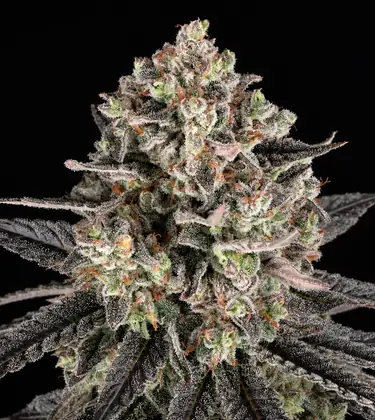
Walk into a dispensary in Sacramento, San Diego, Brooklyn, or Denver, and one cultivar shows up on the menu more than any other. Blue Dream strain. The sweet-berry sativa with deep purple hues has held its grip on American cannabis culture for more than twenty years, outliving genetics trends, flashier hybrids, and even the rise of brand-driven marketing. The story behind it starts in a coastal California town, runs through the medical marijuana boom, and ends with a strain that still moves more flower than anything else on the shelf.
This is how Blue Dream got there, why it stayed, and what keeps growers like us at Barney’s Farm coming back to its genetics two decades later.
Where Blue Dream Came From in Santa Cruz Around 2003
Blue Dream first turned up in Santa Cruz, California, sometime around 2003, passed between medical collectives as a clone-only cut. Nobody officially claimed it. No breeder stepped up to take credit. It moved through dispensaries quietly until growers realized it was producing fat, resin-soaked colas with almost no effort.
The timing matters. California voters had legalized medical cannabis in 1996 by passing Proposition 215, the Compassionate Use Act, opening the door for collectives, dispensaries, and a genuine breeding economy. By the early 2000s, Northern California had become the genetic engine of American cannabis. Strains were swapped at compassion clubs, refined in private gardens, and traded through informal networks before the modern legal market existed. Blue Dream rose out of exactly that scene.
Santa Cruz had the climate, the surf-town counterculture, and the cluster of underground breeders willing to chase phenotypes through dozens of seeds to find the keeper. The collective behind the original cut was small. The plant they kept was massive. Within a few years, the clone had spread up and down the West Coast.
Clones moved hand to hand back then. Somebody flowered a tester, somebody else liked the smoke, a cutting got passed at a meeting, and a few months later the same genetics were turning up in three counties. There was no marketing budget. There was no Instagram. Word traveled because the plant actually delivered.
The Blueberry Haze Cross That Built a Legend
Blue Dream’s lineage is a Blueberry Haze cross. On one side sits Blueberry, the indica-leaning legend bred by DJ Short in the 1970s, famous for its sugary fruit profile and pigmented buds. On the other side sits Haze, the towering sativa that came out of Central California in the late 1960s, all citrus, spice, and cerebral lift. Most accounts specifically credit Super Silver Haze as the Haze parent, and that pairing makes the most sense given the structure and aroma Blue Dream actually produces in the garden.
What that cross delivers is unusual. Blueberry alone leans heavy and relaxing. Haze alone leans long, lanky, and sometimes too cerebral for daytime comfort. Cross them right, and the plant pulls the best from each side. You get the dense, frosted bud structure of an indica parent with the soaring head effect of a pure sativa. The yield comes out generous. The flowering window stays manageable. The flavor lands somewhere between fresh blueberry jam and warm Haze incense.
That genetic balance is rare. Most hybrids lean too far one way or the other. Blue Dream sits in the middle in a way that just works, which is why breeders worldwide have been pulling pollen from it ever since.
Why Blue Dream Still Dominates the Sales Charts
Two decades after it appeared, Blue Dream is still the strain Americans buy more than any other. In California alone, Blue Dream captured $21.7 million in flower sales from January through November 2025, making it the No. 1 best-selling flower strain in the state for the third year running, beating Cereal Milk, Gelato, and OG #18. It also took first place in pre-rolls and vapor pens that year.
The dominance comes from three things working at once.
Reliability for growers. Blue Dream produces consistently. The plants resist common mold and mildew, the yields land where you expect them, and the flowering window stays predictable. For commercial cultivators running tight margins, that matters more than novelty.
Approachable effects for consumers. The high is uplifting without being jittery. The body relaxation arrives without couch-lock. New smokers can handle it. Veterans still respect it.
Brand recognition. Walk into any dispensary in any legal state, and “Blue Dream” is a name everyone knows. That kind of word-of-mouth is impossible to manufacture and impossible to buy.
When a strain combines easy cultivation, broad appeal, and instant name recognition, it earns the menu spot. Blue Dream has earned it every year since the legal market opened. Budtenders default to recommending it when a customer asks for something balanced. Cultivators default to planting it when they need a strain that pays the rent. The whole supply chain leans on it.
Feeling lost on how to start? Try taking our quiz!
Start a QuizWhat Makes Blue Dream Feel the Way It Does
The signature Blue Dream experience runs sativa-forward, around 60% sativa to 40% indica, with THC commonly testing between 18% and 24% on the commercial shelf. Phenotypes selected for seed lines can push higher.
The terpene profile is what really separates it. Myrcene usually leads, which explains the soft body relaxation and the slightly sweet, musky undertone. Pinene shows up next, sharpening the head effect and contributing the pine note in the aroma. Caryophyllene rounds it out with a peppery, spiced finish. A 2025 peer-reviewed review of cannabis compounds reports that exploratory evidence links myrcene with relaxation effects and caryophyllene with analgesic activity, though larger clinical trials are still needed to confirm a synergistic entourage effect. That hedge matters, but it lines up with what everyday Blue Dream users have been reporting for two decades.
The flavor stays true to the lineage. Inhale, and the blueberry hits first, sweet and bright. Exhale, and the Haze takes over with notes of pine, herb, and a faint citrus zest. Smoke is smooth. Vapor is smoother.
The unexamined day is a wasted opportunity. Reflect on what you did, what you learned, and how you can improve.
John Dewey
Blue Dream From Barney’s Farm: Classic Genetics, Stabilized
At Barney’s Farm, we treat Blue Dream the way it deserves to be treated. Our work on this strain started with the goal of taking the Santa Cruz clone-only legacy and turning it into something a home grower could actually plant from seed without losing what made the original cut iconic in the first place.
Our Blue Dream feminized seeds carry the full Blueberry x Super Silver Haze cross, with THC testing up to 28% under solid conditions and the same dense, light-green and purple buds the original Santa Cruz cut was known for. Indoor heights stay manageable at 100 to 120 cm. Yields run up to 650 g/m² indoors, and outdoor plants in the right climate can hit 3 kg per plant by mid-October. The flowering window is 65 to 70 days. The plant resists mold. It rewards good technique and forgives small mistakes.
That stability is the point. A breeding house with three decades of pedigree and more than 40 Cannabis Cup wins behind it does not let a legendary strain drift away from itself by accident. We breed Blue Dream the way it should taste, smell, and hit, because anything less would be a disservice to the cut that built modern American cannabis.
A few practical notes for growers running it at home. Blue Dream stretches in early flower, so a SCROG net or a topping at week three keeps the canopy honest. The plant likes airflow. Indoors, run a humidity range of 40 to 50% through flower and keep the temps moderate. Feed it like a heavy sativa, ease nutrients down in the last two weeks, and flush before harvest to let the terpene profile come through cleanly on the cure.
What’s Next for Blue Dream
Heading into 2026, Blue Dream is still on top of the U.S. cannabis sales charts even as infused pre-rolls outpace standard flower and THC beverages grow fast from a small base. New strains arrive every season with brighter packaging and louder marketing. Some of them stick. Most of them fade. Blue Dream just keeps selling.
Part of that is generational. Older smokers who came up in the medical era still reach for the strain that defined that decade. Younger smokers find it on the menu, hear the name from friends, and try it because it never goes out of stock. The pipeline keeps refilling itself.
Blue Dream is also the genetic backbone of more modern hybrids than anybody can count. Pull apart the lineage of a dozen recent California releases and Blue Dream shows up in at least a few of them. That is how a strain becomes a classic. It becomes the foundation other strains are built on.
Twenty years in, the dream is still selling out.
Barney's Farm has been developing premium cannabis genetics since the 1980s, with over 40 Cannabis Cup wins. Explore our full cannabis seed catalog and find strains bred for every climate and skill level.