Weed a Depressant, Stimulant, or Hallucinogen? How Cannabis Gets Classified
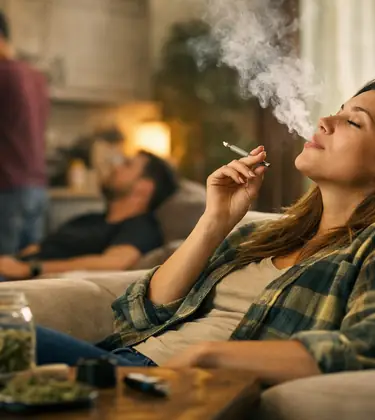
You take one hit of a heavy indica and melt into the couch. A friend takes the same strain and starts reorganizing the kitchen. Someone else gets lost staring at the ceiling for 20 minutes, convinced the texture is moving. Same plant, three completely different experiences. So when people ask, is weed a depressant, the honest answer is: yes, sometimes. But that only tells part of the story.
Cannabis defies clean pharmacological labels. Depending on the strain, dose, your own biology, and even your mood going in, weed can behave like a depressant, a stimulant, or a mild hallucinogen. Often all three in a single session. That flexibility is exactly what makes cannabis so interesting to use and so tricky to classify.
Is Marijuana a Depressant or Stimulant? Understanding Drug Categories
Pharmacology sorts drugs into a few broad categories based on how they affect the central nervous system (CNS). Depressants slow brain function. Alcohol, benzodiazepines, and barbiturates are textbook examples. They calm nerves, relax muscles, and at higher doses can sedate you into sleep. Stimulants do the opposite. They ramp up alertness, energy, and heart rate. Caffeine, cocaine, and prescription ADHD medications all fall here. Then there are hallucinogens, substances that warp perception. LSD, psilocybin, and MDMA are the classic examples. Finally, opiates form their own category as powerful painkillers.
Cannabis sits in a weird spot because it can genuinely function in three of these four categories. The one thing cannabis never qualifies as is an opiate. This triple classification confuses people, but it makes perfect sense once you understand what is actually happening inside your body when you consume it.
Is Cannabis a Depressant? What the Calming Effects Look Like
When most people think about weed, the depressant side comes to mind first. That deep relaxation. Muscles loosening up. The world quieting down a few notches. These effects happen because THC interacts with your central nervous system in ways that slow neural signaling. Slurred speech, lowered coordination, drowsiness, and reduced inhibition are all classic depressant markers, and experienced cannabis users have felt every one of them.
This is the reason indica-dominant strains have such a strong reputation as nighttime smoke. At Barney’s Farm, our indica genetics reflect decades of selective breeding aimed at refining exactly these qualities. Strains like Purple Punch deliver that heavy, full-body calm that makes indica lovers reach for them after a long day. That sedation you feel is the depressant side of cannabis at work, and for a lot of people, it is the main reason they consume.
Like other depressants, regular use can build tolerance. You might need more over time to reach the same level of relaxation. And dependency is real. If you rely on cannabis to fall asleep, removing it from your routine can make insomnia worse before it gets better.
Is Weed a Stimulant or Depressant? Why Cannabis Can Go Both Ways
Here is where the classification question gets interesting. Cannabis can also elevate your heart rate, boost your mood, sharpen your focus, and make you feel energized. Those are all stimulant effects. THC triggers dopamine release in the brain, which creates that initial rush of euphoria many users describe. Some people feel more talkative, creative, and alert after consuming.
Sativa-dominant strains tend to lean harder into stimulant territory. They are often the go-to for daytime sessions when you want to stay productive or social. Barney’s Farm sativa genetics like Laughing Buddha and Amnesia Lemon were bred with exactly this effect profile in mind. The result is a cerebral, uplifting high that keeps you engaged rather than glued to the furniture.
The stimulant side carries its own risks. An elevated heart rate can feel uncomfortable, especially for newer consumers or anyone prone to anxiety. And just like with the depressant effects, you can develop a dependency on the mood-boosting properties. If you are used to cannabis giving you that emotional lift, going without it can leave you feeling flat.
Feeling lost on how to start? Try taking our quiz!
Start a QuizCan Weed Cause Hallucinations? The Hallucinogenic Side of Cannabis
Full-blown visual hallucinations from weed are rare. But mild perceptual shifts happen more often than people realize. Time distortion is the big one. Minutes feel like hours, or an entire album passes in what feels like 30 seconds. Colors can look more saturated. Music can feel three-dimensional. These sensory tweaks are hallucinogenic effects, even if they are not as dramatic as what you would experience on LSD or psilocybin.
Higher doses of THC increase the likelihood of these perceptual changes. Edibles, because of how the body metabolizes THC through the liver (converting it to the more potent 11-hydroxy-THC), tend to produce stronger hallucinogenic effects than smoking the same amount. This is why edible experiences can feel significantly more psychedelic, especially for people with lower tolerance.
The unexamined day is a wasted opportunity. Reflect on what you did, what you learned, and how you can improve.
John Dewey
Why Does Cannabis Have So Many Effects? The Endocannabinoid System Explained
The reason cannabis can act as a depressant, stimulant, and hallucinogen comes down to your body’s endocannabinoid system (ECS). This is a biological network of receptors and chemical signals spread throughout your brain and body. According to Harvard Health, the ECS regulates learning, memory, emotional processing, sleep, pain control, and immune responses. CB1 receptors in the brain actually outnumber many other receptor types.
When you consume cannabis, THC binds to CB1 receptors and hijacks this ancient system. The effects depend on which receptors get activated and where. Hit the receptors tied to relaxation and you feel sedated. Activate the ones connected to arousal and reward pathways, and you feel energized and euphoric. Stimulate the ones linked to perception, and reality starts getting a little wobbly.
Cannabis also exhibits what researchers call biphasic effects. A low dose might relax you, while a higher dose of the same strain could make you alert or anxious. This is because different concentrations of THC activate different receptor pathways. Your individual tolerance, metabolism, genetics, and even your emotional state at the time all influence which direction the experience goes.
Why Strain and Terpene Profiles Change Everything
Anyone who has smoked more than a couple of different strains knows the classification question is almost impossible to answer without context. The cannabis plant contains over 100 cannabinoids and hundreds of terpenes and flavonoids, all of which contribute to the overall effect. THC content matters, but the terpene profile can shift the experience dramatically.
Myrcene-heavy strains tend toward sedation. Limonene-dominant profiles lean more uplifting. Pinene can sharpen focus and counteract some of the foggy effects of THC. This is the entourage effect in action, and it is why two strains with identical THC percentages can feel completely different.
Barney’s Farm has spent over 30 years developing genetics that highlight specific terpene-cannabinoid combinations. When you choose a strain like Runtz Muffin versus Tangerine Dream, you are not just picking a flavor. You are choosing a different chemical experience. That kind of targeted breeding is what gives consumers the ability to tailor their sessions to what they actually want to feel.
Does Weed Cause Depression or Help It? What the Research Says
The relationship between cannabis and mental health is complicated, and the research keeps evolving. Some users report that cannabis helps manage symptoms of anxiety and depression. Others find it makes things worse over time, especially with heavy or daily use.
A recent analysis of 54 randomized controlled trials found no strong evidence that cannabis medications effectively treat anxiety, depression, or PTSD. The researchers noted that most studies used oral formulations like capsules or oils, while most real-world users smoke, where even less clinical data exists.
For younger users, the data is more concerning. A large longitudinal study tracking over 400,000 teens found that adolescent cannabis use doubled the risk of developing bipolar and psychotic disorders in adulthood. The developing brain appears particularly sensitive to cannabinoids, with stronger associations in younger teens. This is a real consideration, and one that responsible cannabis culture needs to take seriously.
How to Approach Cannabis Based on Its Effects
Understanding that cannabis plays multiple pharmacological roles at once gives you a real advantage as a consumer. If you want the depressant effects, look for indica-dominant strains with higher myrcene content and moderate THC levels. If stimulant effects are what you are after, sativa-leaning genetics with limonene and pinene in the terpene profile are your best bet. And if you want to minimize the hallucinogenic side, keep your dose low and avoid edibles until you know your tolerance.
Set and setting matter too. Where you are, who you are with, and how you are feeling before you consume all influence the direction of the experience. Cannabis amplifies what is already there. A calm environment tends to push toward depressant effects. A social, high-energy setting can bring out the stimulant side.
Start low, go slow, and pay attention to how specific strains make you feel. Keep notes if you want to get precise. Over time, you will build a personal map of which genetics and doses produce the effects you prefer. That is the kind of informed, intentional consumption that gets the most out of what this plant can do.
Barney's Farm has been developing premium cannabis genetics since the 1980s, with over 40 Cannabis Cup wins. Explore our full seed catalog and find strains bred for every climate and skill level.