Vape vs. Flower vs. Edibles: How to Choose Your Consumption Method
Three ways in. Three very different rides. Whether you light it, heat it, or eat it, cannabis hits your body through distinct biological pathways, and each one shapes the experience in ways that matter. Choosing the best way to consume cannabis comes down to understanding what each method actually does once it enters your system.
So let's get into it.
Smoking Flower: The OG
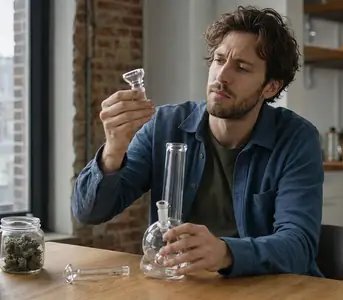
Flower is where it all started. Joints, pipes, bongs, blunts. Combustion delivers THC through the lungs and into the bloodstream within seconds. Effects peak around the 15-to-30-minute mark and fade over roughly two to four hours.
That fast feedback loop is what makes smoking so intuitive. One puff, pause, check in with yourself, maybe take another. You're in the driver's seat the whole time. For people who want to feel something quickly and adjust on the fly, flower remains the go-to.
Then there's the full-spectrum experience. When you smoke high-quality cannabis, you get the whole entourage: cannabinoids, terpenes, and flavonoids all working together. This is where the strain actually matters, and where genetics earn their keep.
Take something like Critical Kush from our collection: a 100% indica bred from OG Kush and Critical Mass, lab-tested at up to 26% THC, producing dense crystal-coated buds that deliver a heavy, sleep-inducing body stone. Earthy and spicy with notes of lemon and pine, it flowers in just 55-60 days and is built for late-night sessions. Compare that to Acapulco Gold, a sativa-dominant strain with a fruit-cocktail flavour that lingers for hours and an upbeat, energising high that keeps you functional and creative. Same plant species. Completely different ride. That variation comes down to the terpene and cannabinoid ratios locked into the genetics.
Then there's Gorilla Zkittlez, an indica-leaning hybrid born from GG4 and Original Z. Sweet tropical fruit on the nose, spicy hashish underneath, and up to 30% THC that hits with a thought-provoking, full-body warmth. It also yields up to 2.5kg per plant outdoors, so growers chasing both potency and volume have good reason to pay attention.
At Barney's Farm, we've spent decades stabilising genetics specifically to maximise those profiles. Each strain is selected through multiple generations for flavour, aroma, and effect. When you're smoking top-shelf flower grown from properly stabilised seeds, the difference is obvious from the first inhale.
The downside? Combustion. Burning plant material produces tar, carbon monoxide, and various irritants. A 2025 study from UC Davis analysed metabolites in exhaled breath and found that while cannabis smoke triggers less inflammatory response than tobacco, it still activates oxidative stress markers in the airways. Researchers noted the results from cannabis smokers looked closer to non-users than tobacco smokers, which is somewhat reassuring, but "closer to" is not "the same as."
If you smoke occasionally, the risk profile stays relatively low. Daily heavy use over years is where concerns around chronic bronchitis symptoms start to appear. Know your lungs. Respect them.
Vaping: The Middle Ground
The conversation around vaping vs smoking weed has gotten complicated over the past few years, and for good reason.
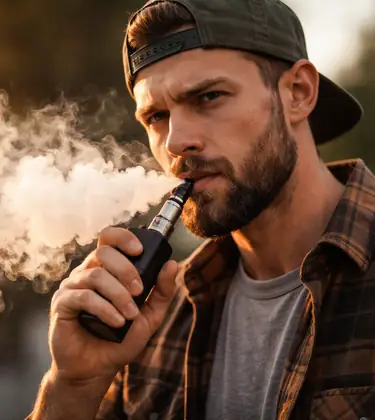
Dry herb vaporisers heat cannabis to a temperature that releases cannabinoids and terpenes without combustion. No flame, no ash, no tar. Research published in the journal Drug and Alcohol Dependence found that vaping cannabis can reduce carbon monoxide emissions, chronic respiratory symptoms, and exposure to several toxins compared to smoking, while producing similar blood THC levels and subjective effects. That makes it a legitimate harm reduction option for habitual smokers.
But here's where it gets tricky. Vape pens and cartridges are a different animal from dry herb vaporisers. The liquid in cartridges is a concentrated THC extract, and the potency is dramatically higher. NPR reported in February 2025 that while an average flower contains around 17-18% THC, vape concentrates can reach 95% or higher. Dr. Deepak Cyril D'Souza, a psychiatry professor at Yale, pointed out that this potency gap creates real risks, particularly around dependency and psychosis in younger users.
There's also the contamination issue. Concentrated THC distillation can carry over pesticides from the source flower. Some states test for up to 66 pesticides, but thousands of other compounds go unchecked. Disposable vapes in both legal and grey markets have been found to contain synthetic cannabinoids with unknown safety profiles.
So what does this actually mean for choosing your method?
If you're vaping dried flower through a quality device at controlled temperatures, you're likely reducing respiratory harm while preserving most of the terpene and cannabinoid profile you'd get from smoking. This is the sweet spot for people hunting the healthiest way to use weed through inhalation.
If you're using cartridges or disposable pens, you need to know exactly what's inside them. Buy from licensed, tested sources only. Cheap cartridges from unverified sellers are genuinely dangerous, and no high is worth a lung injury.
One practical advantage of vaping: efficiency. A vaporiser extracts cannabinoids from flower gradually, and you can often get multiple sessions from a single pack. Already-vaped bud (AVB) still contains some active compounds and can be repurposed into edibles or tea. When you combust, the flower turns to ash and its remaining value is zero. For people watching their budget or trying to stretch premium genetics further, vaping makes financial sense.
Edibles: The Long Game
This is where the biology gets interesting.
When you eat cannabis, THC takes the scenic route. It passes through your stomach, gets absorbed in the intestines, and travels to the liver. There, delta-9-THC gets converted into 11-hydroxy-THC, a metabolite that crosses the blood-brain barrier more efficiently and produces a more potent psychoactive effect.
That liver conversion is the entire reason edibles hit differently. The high tends to be more body-heavy, more immersive, and significantly longer lasting. We're talking four to eight hours, sometimes longer. Onset takes anywhere from 30 minutes to two hours, depending on your metabolism, body weight, and what else is in your stomach.
The trade-off is control. With smoking or vaping, you feel it almost immediately and can stop whenever you want. With edibles, once you've eaten it, you're committed. If you've taken too much, you're riding that wave until your liver processes it out. This is why every dispensary worker on the planet will tell you: start low, go slow. A 5mg dose is a reasonable starting point for anyone without a tolerance. Even experienced smokers can find themselves overwhelmed by edibles because the chemical pathway is fundamentally different.
Data from the National Institute on Drug Abuse confirmed that cannabis use among adults remained at historic highs in 2023, with vaping and edible consumption both trending upward. Edibles, in particular, have gained traction among older adults and women who prefer to avoid inhalation entirely.
For the edibles vs flower debate specifically: edibles eliminate all respiratory risk. Zero smoke, zero vapour, zero lung involvement. For medical users managing chronic conditions that require sustained relief over many hours, edibles are often the practical choice. They're also the most discreet option. No smell, no equipment, no ritual.
From a cultivation standpoint, terpene profiles still matter in edibles, though they express differently. Some strains translate their characteristics into infused products better than others. The cannabinoid ratios in the starting flower directly affect the edible experience. That's why starting with well-bred, properly profiled genetics matters at every stage of the supply chain.
Feeling lost on how to start? Try taking our quiz!
Start a QuizHow to Actually Choose
Forget the idea that one method is universally superior. The best way to consume cannabis depends on what you're after on any given day.
You want fast relief and precise control: Smoke or vape flower. You'll feel it in minutes and can titrate dose by dose.
You want reduced respiratory exposure: Vape dried herb through a quality device. Avoid unregulated cartridges.
You want long-lasting, full-body effects: Edibles. Budget your time accordingly and don't double-dose because you're impatient.
You want zero lung involvement: Edibles, tinctures, or capsules. Period.
You want the richest flavour and full terpene expression: Smoke or vape properly cured, genetically stable flower. This is where seed quality and breeding directly impact your experience.
Many experienced consumers rotate between methods. A vape for weekday convenience. Flower for the weekend session. An edible for the long flight or the camping trip. Context matters. Your tolerance, your schedule, your lungs, your goals for the evening. Someone managing anxiety before bed has different needs than someone heading to a concert. Treating these three methods as tools rather than identities is the move.
And here's something worth noting: tolerance works differently across methods. A daily smoker with a high tolerance to inhaled THC might still get absolutely wrecked by a 20mg edible because 11-hydroxy-THC activates different receptor pathways. Cross-tolerance between inhalation and ingestion is not one-to-one. Keep that in mind before assuming your smoking experience translates directly to edible dosing.
Barney's Farm has been developing premium cannabis genetics since the 1980s, with over 40 Cannabis Cup wins. Explore our full seed catalog and find strains bred for every climate and skill level.