Medical vs Recreational Weed: Is There Actually a Difference?
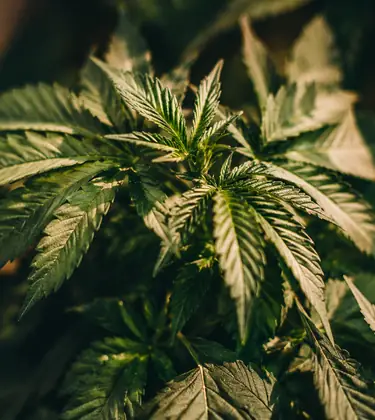
Walk into a dispensary in a state that runs both programs and you will see the same jars, the same strain names, the same frosty buds behind the glass. One counter says medical. One says recreational. The flower can be identical. So the obvious question is whether the two are actually different, or whether you are looking at the same weed wearing two name tags.
The short version: the plant is the same. What changes is the paperwork, the price, and who gets to walk through the door. Here is how it breaks down.
Are medical and recreational weed the same plant?
Yes. Cannabis is cannabis. There is no separate medical species growing in a secret greenhouse somewhere. Medical and recreational are legal categories, not botanical ones. The same Blue Dream or OG Kush can sit on a medical shelf in one store and a recreational shelf in the next.
What people usually mean by this question is whether medical weed is grown to a higher standard. In regulated markets, all legal cannabis goes through lab testing for potency, pesticides, mold, and heavy metals before it reaches a shelf, medical or recreational. Some medical programs add stricter labeling or testing rules, and a handful require child-resistant packaging or detailed cannabinoid breakdowns. But the starting material is the same plant grown from the same kind of seed, and the testing labs are usually the same ones serving both sides of the market.
Is medical weed stronger than recreational?
This is the myth that refuses to die. People hear “medical-grade” and picture knockout potency. The data says otherwise. One study that mapped more than 8,500 products across 653 dispensaries found medical menus averaged about 19% THC and recreational menus about 21%, close enough that the label barely moves the needle.
Both sides have also gotten stronger over time. Average THC in commercial cannabis has climbed sharply since the 1990s, so the weed on either counter today hits harder than what your parents smoked. Strength comes from the strain and the product, not from the sign hanging over the register. A 25% THC flower is a 25% THC flower whether a patient or a partygoer buys it.
There is one real nuance. Medical menus sometimes carry more high-CBD or balanced options, and a few states cap THC on recreational products while leaving medical uncapped. That can make specific medical products gentler or stronger depending on where you are. The plant did not change. The rules did.
Why do two separate systems exist at all?
Medical programs came first. States legalized cannabis as medicine years before anyone was selling it for fun, so the medical framework was already built when recreational laws started passing. Rather than tear it down, most states ran both side by side. Today the large majority of states have a medical program, and around two dozen plus Washington D.C. have stacked adult-use sales on top.
The result is two parallel systems selling overlapping products under different rules. The split is a product of how legalization rolled out, not a signal that the cannabis itself is different.
Feeling lost on how to start? Try taking our quiz!
Start a QuizWhat actually separates medical from recreational?
The differences are real. They are legal and financial rather than chemical.
Who can buy. Recreational sales are open to anyone 21 and over with a valid ID. Medical requires a doctor’s recommendation and, in most states, a state-issued card or certification tied to a qualifying condition.
Age. Recreational is strictly 21 and up. Medical programs often serve patients under 21, sometimes with no minimum age for serious conditions, usually through a registered caregiver.
Taxes. This is where it gets loud. California stacks a 15% excise tax on recreational sales on top of state and local sales tax. Many states give medical patients a break. Washington, for example, waives the cannabis excise tax for registered medical patients.
Possession and purchase limits. Cardholders frequently get higher possession caps and bigger purchase limits than recreational buyers in the same state.
Potency caps. Where recreational products run into THC limits, medical products are often exempt.
The unexamined day is a wasted opportunity. Reflect on what you did, what you learned, and how you can improve.
John Dewey
Do you need a medical card in a state where weed is already legal?
No. If recreational cannabis is legal where you live and you are 21 or older, you can buy it with nothing but your ID. No doctor, no card, no qualifying condition. That is the whole point of adult-use legalization.
“You do not need one” and “it is not worth one” are two different statements, though. Plenty of people in fully legal states keep their cards anyway, because the perks add up.
What are the benefits of a medical card in a recreational state?
Even where you can buy freely, a card still earns its keep:
Lower cost. Tax breaks on medical purchases can save a regular consumer real money over a year.
Higher limits. More flower per trip, and more in your possession legally.
Access under 21. A card is the only legal route for adults aged 18 to 20, and for younger patients with qualifying conditions.
Specialized products. Access to higher-potency or high-CBD items that recreational shelves may cap or skip.
Legal footing. Cardholders often get clearer protections inside their state, though employment and federal questions stay murky.
That federal piece is moving right now. In April 2026 the Justice Department placed FDA-approved cannabis medicines and state-licensed medical marijuana in Schedule III, while recreational cannabis stayed in Schedule I. A broader DEA hearing on rescheduling all cannabis is set to begin at the end of June 2026, so the gap between the two categories could narrow soon. For now, on paper, medical and recreational sit on different rungs of federal law.
The breeder’s take: genetics do not care about labels
Here is the part the dispensary debate skips. From a breeder’s chair, there is no such thing as a medical seed or a recreational seed. We have been breeding at Barney’s Farm for more than forty years, chasing terpenes, resin, potency, stability, and yield. We have never once bred a “medical line” and a separate “party line.” The genetics are the genetics. What you do with the harvest is up to you.
Take two from our catalog. Critical Kush is a heavy indica-dominant cross of Critical Mass and our own OG Kush, pushing up to 26% THC, built for late nights, deep relaxation, and sinking into the couch. Then there is Tangerine Dream, a Cannabis Cup winner that leans sativa, all bright citrus and clean cerebral energy, the kind of thing you reach for in the morning.
One reads as a wind-down. One reads as a wake-up. Neither was bred to be “medical” or “recreational.” Both are well-made cannabis. A patient managing restless nights and a grower who wants a knockout evening smoke might both reach for Critical Kush for the same reasons. The label on the counter is the last thing that matters to the plant.
Does medical weed cost less than recreational?
Often, yes, and taxes are the main reason. Recreational cannabis usually carries the heaviest tax load a state can attach: an excise tax, state sales tax, and sometimes a local cut layered on top. That can add a serious chunk to the final price at the register. Medical patients frequently skip part of that stack, which is why a card can pay for itself fast if you shop often.
Cost does not run one way, though. Getting and keeping a card has its own price: the doctor’s evaluation, the state registration fee, and a renewal every year or two. For someone who grabs an eighth now and then, the recreational counter can work out cheaper once that paperwork is priced in. For a daily consumer buying in volume, the medical math usually wins.
Medical or recreational: which should you choose?
It comes down to your situation, not the quality of the weed.
If you have a qualifying condition, use cannabis regularly, want lower taxes and higher limits, or you are under 21, get the card. The savings and access usually outweigh the paperwork.
If you are 21 or over, live in a legal state, and just want to enjoy good flower without a doctor’s visit, recreational is the simpler road. You are buying the same plant either way.
Same seed. Same science. Different sign over the door. Pick the lane that fits your life, and judge the weed by what is in the jar, not the label on the shelf.
Barney's Farm has been developing premium cannabis genetics since the 1980s, with over 40 Cannabis Cup wins. Explore our full seed catalog and find strains bred for every climate and skill level.