Why Every Celebrity Has a Weed Brand Now (And Which Ones Are Real)
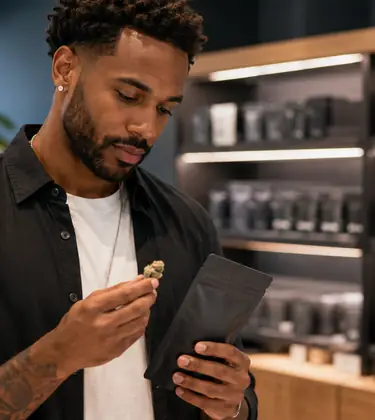
Walk into a dispensary in any legal state and the shelf reads like a tabloid. A rapper's logo on the flower, gummies shaped like a boxer's grudge, sparkling drinks with a movie star's name on the can. Famous people are all over weed now. The only question most smokers actually care about is which of these brands grow real flower and which ones just rented out a famous face.
The timing was not an accident. Younger Americans are drinking less than they used to, with the share of under-35s who drink down to around 62%. Over the same stretch, the share of U.S. adults who smoke cannabis has more than doubled since 2013. Bigger audience, less stigma, more money on the table. Celebrities noticed, and they moved fast.
Why does every celebrity have a weed brand now?
Two forces lined up at once. The first is obvious: legal weed is a multibillion-dollar business, and stars wanted a slice, especially as alcohol sales among young drinkers kept sliding. The second reason is the one most people miss. Cannabis brands cannot advertise like a beer or a sneaker. Most social platforms ban paid weed promotion and will deactivate accounts that show the product in use. A famous name is the workaround. You cannot buy the ads, so you put a face people already follow on the jar and let the fanbase carry the message.
There is also a real consumer migration underneath the hype. A chunk of the sober-curious crowd is not quitting everything, it is swapping the bottle for the bud, reaching for flower, edibles, and THC drinks instead of another round. Brands chasing that crowd needed a face people trusted to make the switch feel easy, and a celebrity delivered that overnight in a way a startup logo never could.
That mix of money, marketing rules, and a shifting audience is why dozens of famous people now run their own cannabis businesses, from boxers and rappers to country singers and daytime TV hosts. It is also why the shelf got so crowded so fast. The catch is brutal in its simplicity: a name on the label tells you nothing about the weed inside it.
Which celebrity cannabis companies are actually real?
The line between a real brand and a cash grab comes down to one thing. How involved is the celebrity, really? On one side you have owners who live in the plant. On the other you have signatures rented out by the quarter.
The hands-on operators. Wiz Khalifa built Khalifa Kush from strains he kept in his personal stash for years, and it grew into one of the most recognized celebrity weed brands going. Mike Tyson is genuinely in it with Tyson 2.0. He has said the operation pulls in around $500,000 a month, and he shows up to push it in person.
The culture-first names. Snoop Dogg and Berner, the rapper behind Cookies, were cannabis figures long before they were brands. They earned credibility in the culture first, so smokers tend to trust what they put out.
The name-only deals. Plenty of celebrity strains are pure licensing. The star signs off, a third party grows and packages, and quality lurches from one state to the next. Half the time the box will not even tell you the lineage.
There is a third category worth knowing about: the tribute strain. The Gary Payton strain, for example, was bred by the Cookies team and named after the basketball legend as a nod, not as a business he runs. That is not a knock, the flower is well regarded, but it is a reminder that a famous name on a strain can mean ownership, an endorsement, or simply a shout-out. Knowing which one you are buying is half the battle.
Are celebrity weed brands actually good?
Some are genuinely great. Seth Rogen's Houseplant turned a stoner aesthetic into a clean, design-forward brand with flower that holds up. The best celebrity weed brands tend to share a trait: the owner actually smokes, actually cares, and actually has an opinion about what ends up in the jar.
The flops share a trait too. They run on launch-day hype and little else. Marley Natural carried one of the most famous names in cannabis history and still stumbled over distribution and an identity it never pinned down. Whoopi Goldberg's wellness line, Whoopi & Maya, earned real respect and still closed its doors. The script repeats: the press cycle peaks, the founder gets pulled back to the day job, and a brand built on a face alone quietly disappears.
Part of the problem is the customer. Today's smokers are not easily starstruck. They read lab results, argue about terpenes, and know their favorite cuts by lineage. A famous signature might get someone to grab a jar once, but mid flower gets clocked fast and never gets a second buy. Star power opens the door. Only the weed keeps people coming back through it.
Feeling lost on how to start? Try taking our quiz!
Start a QuizHow do you spot a real celebrity strain endorsement?
You do not need a marketing deck to judge weed. You need the same checks you would run on any jar, famous name or not.
Look for lineage. A real strain names its parents. If the packaging will not say what was crossed to make it, treat that as a warning.
Demand consistency. Strong genetics perform the same in Michigan as they do in California. Licensing deals that bounce between growers rarely deliver that.
Read the terps, not just the THC. The percentage is one number. The terpene profile tells you how it will actually smell, taste, and hit your body.
Ask who bred it. A famous face is not a breeder. The people behind the genetics decide whether the flower is worth your money.
The unexamined day is a wasted opportunity. Reflect on what you did, what you learned, and how you can improve.
John Dewey
What does real cannabis breeding look like?
Here is where we are biased, and we will say so up front. Barney's Farm has been breeding cannabis for more than 40 years, since founder Derry started crossing landraces hauled back from the mountains of Asia in the late 1980s. That work has earned over 40 Cannabis Cups. No celebrity signature attached, just decades of selection and a lot of failed plants nobody ever saw.
Those landraces are the part celebrity branding cannot fake. They are the original regional strains, shaped over generations in places like the Hindu Kush, Mexico, and Thailand, and they carry the raw genetics every modern hybrid is built from. Sourcing them means actually going to find them, not commissioning a logo. That is the foundation under everything in our catalog, and it is the reason the flower can stand on its own without a name to prop it up.
Flower built a reputation long before any star did. Acapulco Gold is the proof. This Central American sativa became a legend on the strength of its high alone, decades before the idea of a celebrity weed brand existed. Our version keeps that golden, resin-soaked heritage and pushes potency to around 26% THC. No endorsement required. The smoke did the talking.
Sometimes pop culture and real genetics meet in the middle. Pineapple Express got famous from a 2008 stoner comedy, but the plant itself is the real thing: a Hawaiian landrace sativa crossed with Trainwreck, fast to flower, tropical on the nose, and capable of clearing 25% THC. That gap is the whole point. A movie can make a name famous. Only breeding makes the plant good.
We work the same Cali genetics fueling today's hype wave too, crossing lines like Girl Scout Cookies, Gorilla Glue, Zkittlez, and OG Kush in the lab. The hype-strain era did not start with a celebrity launch party. It started with breeders chasing better plants, and that is still where the good stuff comes from.
So, are celebrity weed brands worth it?
The honest answer is that some absolutely are. When the famous owner genuinely knows and loves the plant, the brand usually shows it, and you are getting real flower with a good story attached. When the name is just rented, you are paying a premium for a logo. Either way, the move is the same. Judge the jar on lineage, consistency, terpenes, and who actually grew it. The face on the label should be the last thing you look at, not the first.
Barney's Farm has been developing premium cannabis genetics since the 1980s, with over 40 Cannabis Cup wins. Explore our full seed catalog and find strains bred for every climate and skill level.