
 Autoflower Seeds
 Feminized Seeds
 New Releases
 USA Cannabis Seeds
 High THC Strains
 High Yield Cannabis Strains
 Precision F1 Hybrids
 Washing Strains
 Cup Winning Cannabis Seeds
 Chill Out Cannabis Strains
 Amsterdam Cannabis Seeds Classics
 Best Taste & Aroma Cannabis Seeds
 Regular Seeds
 Merchandise
 Merchandise
 Blog
Blog Contact Us
 Wholesale Login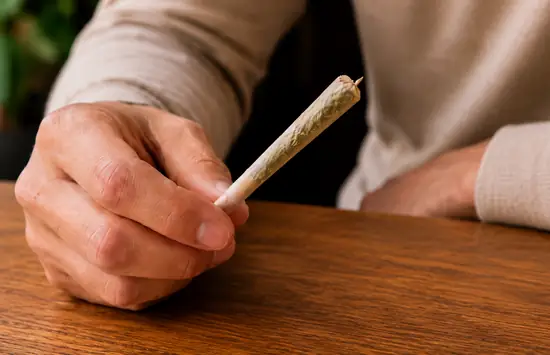
What's Actually in a Pre-Roll: Shake, Trim, Flower, and What You're Paying For
You buy a pre-roll because it is easy. No grinder, no papers, no fumbling with a crutch while everyone waits. Somebody already did the work. The problem is you usually have no idea what they packed into the paper, and the thing burning between your fingers could be anything from top-shelf bud to the stuff that fell off the bottom of a bin three weeks ago.
Two pre-rolls can sit side by side on the same dispensary shelf, cost the same money, and deliver two completely different nights. The packaging rarely tells the whole story. So here is the whole story: what goes in a cone, how to read the difference, and what your money is actually buying.
What is actually in a pre-roll?
A pre-roll is ground cannabis packed into a paper cone with a filter tip, sealed and ready to light. Simple object. The catch hides in the word cannabis, because that covers three very different grades of material: full flower, shake, and trim. Some pre-rolls are also infused, meaning kief or concentrate gets added to push the potency higher.
The category exploded once brands realized people will happily pay for convenience. In 2025 pre-rolls became the top-selling cannabis product category in the United States by unit volume, topping 3.6 billion dollars in sales with unit sales jumping 18.6 percent while the broader market crept up just 1.5 percent. That kind of money pouring in is exactly why what sits inside the cone matters more than it ever has. Pre-rolls also carry an old reputation: for years they were where producers quietly sent their trim so nothing went to waste. That ghost still haunts the shelf, and learning to spot it is the whole game.
Are pre-rolls just trim?
Plenty of them are. Trim is the leftover plant material clipped away from the buds during harvest: sugar leaves, the odd fan leaf, small stems, all the bits a trimmer removes to make a nug look clean and tight. It is not flower. And the gap between the two is chemical, not cosmetic.
Almost everything you actually want from cannabis lives in the trichomes, the tiny resin glands that frost the buds. We pulled that apart in full in our guide to trichomes, so here is the short version. A 2025 review in the journal Plants found that cannabinoids and terpenes concentrate most heavily on the flower and its bracts, while leaf and stem material carry far lower levels. Trim, in other words, is mostly the part of the plant that never held much THC or aroma to begin with.
Smoke a trim-heavy pre-roll and you get the receipt: a harsh, grassy scratch in the throat, a flat smell, and a high that shows up late and leaves early. Producers love trim because it is nearly free. Your lungs are less enthusiastic.
Shake vs flower pre-roll: what's the difference?
Shake is a clear step up from trim, and the two get mixed up constantly. Shake is real flower. It is the small bits of bud that break off and gather at the bottom of a jar or bin as nugs get handled, moved, and weighed. Same plant, same buds, just in crumbs instead of whole pieces. So why does a shake pre-roll so often smoke weaker than the exact same strain bought as loose bud?
Time and air. The resin glands are fragile, and a classic cannabis stability study described intact resin glands as well filled, well closed containers, and showed that limiting damage to them was the key to preventing cannabinoid loss. Whole buds keep those glands sealed shut. Shake is broken material that has been knocked around, left open to oxygen and light, and often sits in a collection bin for weeks before anyone rolls it. The glands rupture, the terpenes evaporate, the THC slowly oxidizes. By the time it reaches the cone, a good chunk of the magic has already walked out the door.
Full flower pre-rolls dodge that whole problem. The buds get ground fresh and rolled, so the glands stay mostly intact right up until you spark it. This is where genetics show their hand. A strain like Gorilla Z, our Gorilla Glue and Zkittlez cross, throws out dense, resin-soaked buds that grind into thick, sticky flower instead of dry dust. Pack that into a cone fresh and you taste exactly what the strain was bred to do. Pack week-old shake from a no-name harvest into the same cone and you get a letdown that just happens to be the same shape.
Pre-roll vs joint: is the quality different?
Here the format itself is a red herring. The word joint comes from the French joindre, meaning to join, and simply describes a cannabis cigarette rolled in paper. A pre-roll is a joint that somebody else rolled for you. That is the only real difference between the two.
Roll your own and you control the fill. You pick the strain, you grind bud you can see with your own eyes, you load it yourself. Buy a pre-roll and you are trusting whoever filled it to use honest material. So a pre-roll is not automatically worse than a hand-rolled joint, and a joint is not automatically better. A pre-roll stuffed with fresh-ground top-shelf flower beats a sloppy joint rolled from dried-out bud every time. The quality lives in two things only: what went in, and how fresh it was when it got there. The shape of the paper has nothing to do with it.
How can you tell if a pre-roll is good quality?
You will not always have a budtender who feels like talking or a lab sheet to squint at. So here is how Barney's Farm sizes up flower, scaled down to a single cone. No studies on this one, just decades of staring at buds.
Read the label first. Good producers brag. If a brand uses whole flower they will print whole flower or full flower somewhere on the tube, because it is a selling point worth shouting about. Silence usually means shake or trim. If the description carefully avoids the question, assume the cheaper answer until proven wrong.
Smell it through the packaging if you can. Real flower pre-rolls carry loud, specific aromas: fuel, citrus, gas, pine, candy. A flat, hay-like, or barely-there smell means the terpenes are long gone. The nose is the fastest quality test there is. A proper terpene bomb like Pineapple Chunk, which growers lean on as a benchmark for dense, pungent buds, announces itself before you even crack the tube.
Look at the grind if it is visible. You want a consistent, slightly sticky grind that reads as ground-up bud: green, resinous, alive. Pale, dusty, stem-flecked filler that looks like dried oregano is trim wearing a costume.
Break one open if you already bought it. Tip the contents onto a tray and set them next to good loose flower. Quality fill looks similar. If you find pale leaf, sticks, and powder instead, you have your answer.
Watch the burn. A quality pre-roll lights evenly, holds a firm grey ash, and tastes like the strain it claims to be. Harsh, scratchy smoke and a black, runny, canoeing burn point to plant matter that had no business being smoked.
So what are you actually paying for?
Strip away the marketing and a pre-roll price covers three things: the cannabis, the convenience, and the brand. The convenience is real and worth paying for. Somebody ground, rolled, and packaged a ready-to-go smoke so you did not have to do any of it. The brand is worth something too, as long as it is a name that earned your trust by using good flower.
What you do not want to do is pay flower prices for trim or stale shake dressed up in slick packaging. Infused pre-rolls, which add kief or concentrate to crank up potency, can be excellent, but a coat of concentrate is also a handy way to mask weak base material, so they deserve the same hard look. If you want to know what that added kief even is, we broke it down in our guide to kief.
The honest answer is that a pre-roll is only as good as the bud inside it, and the bud is only as good as the genetics and the grow behind it. Barney's Farm has spent more than 40 years and racked up over 40 Cannabis Cup wins chasing flower that earns its place in the cone: the kind of dense, frosted bud that smokes clean no matter whose hands rolled it. Read the label, trust your nose, and never pay top dollar for floor sweepings. The plant deserves better, and so do you.
Barney's Farm has been developing premium cannabis genetics since the 1980s, with over 40 Cannabis Cup wins. Explore our full cannabis seed catalog and find more Amsterdam classics, USA-bred hybrids, and award-winning strains.