Popcorn Buds and Smalls: Is Cheap Weed a Bargain or a Trap?
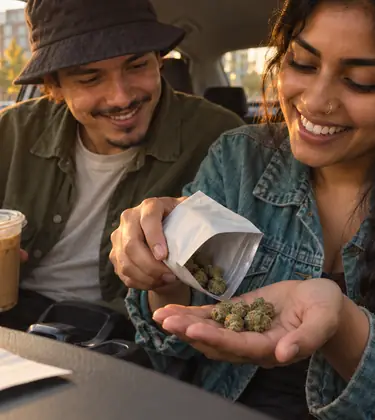
Every dispensary menu has a cheaper corner. The bags marked popcorn or smalls hold the same kinds of strains as the big buds on the top shelf, in pieces no bigger than a fingertip, and they often cost far less per gram.
Whether that is a bargain depends on where those buds grew, how old they are and what the lab report says. Size alone tells you less than the price suggests.
Key takeaways
- Popcorn buds and smalls are undersized flowers, many from lower branches, sold cheaper because they look less impressive and take longer to trim.
- In a CBD-rich medical cultivar, buds from the bottom of the plant held up to 90% less cannabinoid than the top bud.
- Another study found no THC gap at all between top and bottom buds of the same plants.
- In California, every harvest batch is sampled at random, so small buds share the lab report of their batch.
- Labels can still run high, and in a 2023 Colorado study about 70% of flower samples tested more than 15% below the label.
- Terpenes fade quickly in storage, so freshness and smell matter more than bud size.
- Home growers get fewer popcorn buds by letting light reach the lower branches through pruning, defoliation and training.
Popcorn, smalls and shake, defined
Small buds go by several names. Popcorn buds, also called popcorn nugs, are pea- to marble-size flowers, and many of them grow on the lower branches, below the big top bud known as the cola. Smalls is the broader shop word for any undersized bud, and many menus simply list the bags as smalls. Weed in those bags can come from any part of the plant. Neither term appears in California's legal definitions of cannabis products. Shake is different: the loose crumbs and broken bits at the bottom of a bag. Trim is the leaf cut away from the buds.
In our experience, shops price small buds lower mainly because they look less impressive in the jar and take longer to trim by hand. The discount can be steep. In late 2023, the Asbury Park Press found a New Jersey dispensary selling an eighth-ounce of small buds for $23, when the cheapest eighth in the state averaged $46.17. In Lansing, Michigan, one store's line of smalls, which also took whole harvests that came in below its THC target, sold ounces for $99 including tax in 2021.
Cheap regular flower changes the math too. In Michigan, adult-use marijuana costs have dropped nearly 30%, from a little over $90 to just around $65 per ounce of marijuana in the year to March 2025, as oversupply pushed prices down, and the Detroit Metro Times reported an average ounce at $58.20 in December 2025. Bud size is only one of the cues shops use to sort flower into tiers from mid to exotic.
Lower branches and lower potency
Where a bud grows can matter more than how big it is. Light is strongest at the top of the plant, and the cola gets most of it. In a 2022 study of a CBD-rich medical cultivar, the side buds from the bottom of the plant came out far weaker, since concentrations of cannabinoids in axillary inflorescences from the bottom of the plants were up to 90% lower than in the top bud. Spacing the plants closer together widened the gap, and the authors pointed to chronic light deprivation at the bottom of the plants.
Light, not size, seems to drive the difference. When Canadian researchers grew Blue Dream plants in a commercial greenhouse, THC averaged 17.2% with no difference between top and bottom buds, whether or not the plants were trained to bring the bottom buds up to the same height. The untrained plants did grow less dense buds at the bottom. A 2021 University of Guelph study found that more light raised yield and the density of the top bud without changing cannabinoid potency.
On potency, then, the smalls vs big buds question has no single answer. A small bud can match the cola or fall far behind it, depending on the plant and the light it got:
| Question | Smalls and popcorn | Big buds |
|---|---|---|
| Where they grow | Lower branches, or anywhere a bud stays small | Mostly the tops of main stems |
| Potency | Same as the batch, or lower if grown in shade | Often the strongest in the batch |
| Lab testing | Share the batch report in California | Share the batch report in California |
| Price | Often far lower per gram | Full price |
| Question | Where they grow | Potency | Lab testing | Price |
|---|---|---|---|---|
| Smalls and popcorn | Lower branches, or anywhere a bud stays small | Same as the batch, or lower if grown in shade | Share the batch report in California | Often far lower per gram |
| Big buds | Mostly the tops of main stems | Often the strongest in the batch | Share the batch report in California | Full price |
Feeling lost on how to start? Try taking our quiz!
Start a QuizGrowing big tops instead of popcorn
For home growers, a harvest full of popcorn buds is usually a light problem. In 2.5-meter medical cannabis plants, Israeli researchers found that increasing light penetration by defoliation or removal of bottom branches and leaves raised cannabinoid levels in the buds that remained. In our experience, these steps turn more of a harvest into solid tops:
- Top or train young plants so the canopy stays flat and even.
- Strip the weak lower shoots around the switch to flowering, a step growers call lollipopping.
- Remove large fan leaves that shade the buds below them.
- Give each plant room, since crowded plants shade one another.
Compact plants make this easier. Pineapple Chunk, a Pineapple, Skunk #1 and Cheese cross at 28% THC, is known for dense, chunky buds and stays at 90 to 110 cm indoors, while Purple Punch, a Granddaddy Purple and Larry OG cross at 30% THC, grows as a short, stocky plant with many high-yielding branches. Whatever popcorn buds you still harvest are good for joints, edibles or hash. Check your state's home-grow rules first, since not every legal state allows it.
The unexamined day is a wasted opportunity. Reflect on what you did, what you learned, and how you can improve.
John Dewey
Testing, labels and the batch report
In legal markets, small buds go through the same testing as big ones. California tests by harvest batch, all the dried flower and trim harvested at the same time, up to 50 pounds, and the sampler shall obtain a representative sample from each prepacked or unpacked harvest batch by pulling pieces from random spots throughout it. Smalls bagged from that batch carry its lab results. Colorado tests less often: after the first four batches of a strain, a grower must test each strain for potency at least once per quarter.
A tested batch can still be oversold. In a 2023 study of 23 flower samples from 10 dispensaries on Colorado's Front Range, about 70% tested more than 15% below the THC printed on the label, and on average they came in 23.1% below the lowest labeled value.
So are popcorn buds good? They are as good as the batch they came from, and the label is a starting point, not a guarantee. The real trap is a cheap line of small buds that also includes harvests that fell below the store’s THC target, like the one sold in Lansing.
Mold, dryness and old stock
Freshness matters more than size. In a 2020 study of storage conditions, terpenoid concentrations were found to decrease rapidly under all storage conditions, and ground flower kept among the worst, while whole buds stored at 4°C held up best. In our experience, crumbly smalls and shake that have sat in a bag for months are the riskiest buy, because broken buds go stale faster than whole ones.
Your nose is a good guide. A 2022 study found aroma to be a strong indicator of flower quality, even though THC potency drives most of the market. Before you pay, look for these signs in a bag of smalls:
- A harvest or packaging date from the last few months
- A strong, fresh smell, with no hay or musty notes
- Visible trichomes, the frosty resin glands on the surface
- Buds that feel slightly sticky and spring back when pressed
- No gray or white fuzz, which can mean mold
- Few stems and seeds, which add weight you cannot smoke
Bargain or trap, bud by bud
Popcorn buds and smalls are undersized flowers sold for less, and many grow on the shaded lower branches. In one CBD-rich cultivar, those bottom buds held up to 90% less cannabinoid than the top, while another study found no THC gap between top and bottom buds. In California, smalls share their batch's lab report, though labels can still run high. Check the date, the smell and the trichomes, and a bag of smalls can be one of the best deals on the menu.
Grow your own and keep the best tops for yourself. Barney's Farm has been developing premium cannabis genetics since the 1980s, with over 40 Cannabis Cup wins. Explore our full seed catalog and find strains bred for every climate and skill level.