Joints vs Blunts vs Bongs vs Pipes: Which Is the Best Way to Smoke?
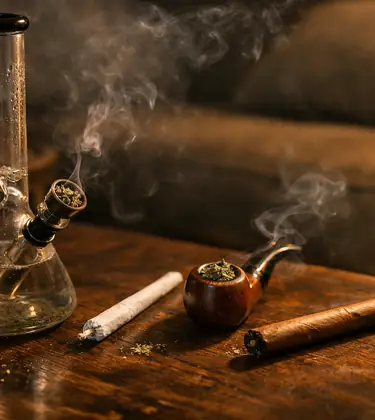
Four options. One question that has sparked more heated debates than any cannabis strain ever could: what is the best way to smoke weed?
Joints, blunts, bongs, pipes. Every smoker picks a lane eventually, and most will defend that choice like their life depends on it. But the real answer depends on what you care about. Flavor? Potency? Convenience? Lung health? How much you actually enjoy the process?
At Barney's Farm, we've spent over 30 years breeding genetics that people smoke in every way imaginable. We've tested our own strains across every method. So we figured it was time to lay it all out.
The Joint: Rolling Papers and Pure Flower
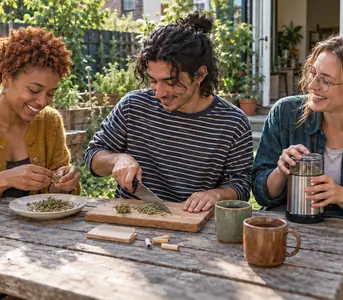
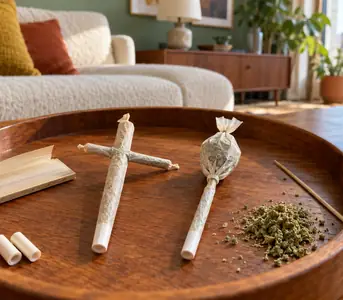
The joint is the universal symbol of cannabis for a reason. A thin rolling paper, ground flower, maybe a filter tip. That's it. No batteries, no water, no setup. You roll it, light it, pass it.
Joints burn at relatively high temperatures, which means you get a full spectrum of cannabinoids and terpenes hitting you at once. The flavor profile shifts as the joint burns down, concentrating resin near the filter. This is why the last third of a joint always tastes stronger (and harsher) than the first. If you're smoking something with a complex terpene profile, a joint is one of the best ways to actually taste what the grower intended.
Paper matters. Standard wood-pulp papers add combustion byproducts to every hit. Hemp papers and rice papers burn cleaner and let more of the actual flower flavor come through. Unbleached is always better.
The biggest downside? Efficiency. A joint burns continuously whether you're hitting it or not. Some of your flower is literally going up in smoke between puffs. Estimates vary, but sidestream loss is real and noticeable if you're tracking your consumption.
The Blunt: Tobacco Wraps and Heavy Hits
A blunt is basically a joint wrapped in tobacco leaf or a tobacco-derived wrapper instead of paper. The wrap adds weight, slows the burn, and brings a distinct sweetness and buzz that blunt lovers refuse to give up.
Here's the thing: tobacco wraps contain nicotine. Even if you emptied a cigarillo and repacked it with flower, you're still inhaling nicotine with every hit. The Centers for Disease Control have long documented the addictive properties of nicotine and its cardiovascular effects. For some smokers, the blunt "head rush" they attribute to strong weed is partially a nicotine response.
Blunts also burn slower, which means longer sessions and more total smoke inhaled per gram compared to a joint. If you're comparing joints vs blunts purely on health, the joint wins by default because you're removing tobacco from the equation entirely.
But let's be honest about why people love blunts. They hit harder. The slow burn gives you denser clouds. The ritual of splitting, gutting, and rolling is part of the culture, especially in hip-hop and East Coast cannabis traditions. Blunts aren't about optimization. They're about the experience.
At Barney's Farm, we've always leaned toward methods that let the genetics speak for themselves. When you breed a strain like Mimosa EVO for its citrus terpene profile, wrapping it in tobacco leaf masks exactly what makes it special. That said, we get it. Sometimes the ritual is the point.
The Bong: Water Filtration and Big Rips
The bong has been around for centuries. The basic concept is simple: smoke passes through water before reaching your lungs, and that water cools the smoke and filters out some particulate matter.
Does water filtration actually make bong hits "healthier"? The research is complicated. A mid-1990s study by Dale Gieringer, Ph.D., sponsored by MAPS and California NORML, tested water pipe filtration and found that bongs actually produced about 30% more tar per cannabinoid than an unfiltered joint. Water traps some particulate, but it also absorbs THC more readily than tar, worsening the ratio. In plain terms, you're filtering out some harmful stuff but losing proportionally more of the good stuff in the water, which could push you to inhale more smoke to reach the same effect.
What water filtration does very effectively is cool the smoke. Hot, dry smoke irritates the throat and airways. Cool, moist smoke is easier on the lungs in the moment, which is why bong hits feel smoother despite being objectively massive. This smoothness is deceptive. Because bong rips feel less harsh, people tend to inhale more deeply and hold longer, which increases overall smoke exposure.
The bong vs pipe debate often comes down to this: do you want filtration and cooling, or do you want simplicity and portability? Bongs stay home. They sit on the coffee table. They require water, cleaning, and careful handling.
One thing bongs absolutely crush: group sessions. If you're sharing premium flower with friends, a clean glass bong with fresh water delivers consistent hits that everyone at the table can enjoy.
Feeling lost on how to start? Try taking our quiz!
Start a QuizThe Pipe: Portable, Direct, No Nonsense
A pipe is the stripped-down, no-frills smoking method. Pack the bowl, light it, inhale. No rolling skill needed. No water. Fits in your pocket. Ready in seconds.
What you get from a pipe is the most direct flavor translation from flower to your palate, especially in the first couple of hits. Because there's nothing between the burning flower and your mouth except a short channel of glass, ceramic, or metal, you taste everything. Terpenes, char, and all.
Glass pipes are the standard for flavor purity. Metal pipes can impart a metallic taste. Wood pipes add their own character but can build up residue fast. Ceramic sits somewhere in between.
The downside is harshness. Pipes deliver dry, hot, unfiltered smoke. Short stems mean less cooling. If you take a fat hit from a loaded bowl, you will feel it in your throat. This is the main reason the bong vs pipe argument exists in the first place.
Pipes are also the go-to travel companion. You can't exactly carry a two-foot beaker bong on a hike. A small glass spoon pipe with a one-hitter bowl is about as compact and functional as cannabis consumption gets.
The unexamined day is a wasted opportunity. Reflect on what you did, what you learned, and how you can improve.
John Dewey
What About Temperature and Terpenes?
One factor that doesn't get enough attention in the joints vs blunts vs bongs vs pipes discussion: combustion temperature. When you light flower on fire, you're burning it at temperatures well above 600°C. At those temperatures, a lot of the delicate terpenes and minor cannabinoids simply get destroyed.
This is true for every combustion method. Joints, blunts, bongs, and pipes all burn at roughly similar temperatures because you're applying the same ignition source: an open flame. The differences between methods come down to filtration, cooling, and paper/wrap additives rather than temperature control.
For terpene preservation, nothing in the combustion world competes with a slow, even burn and minimal additives. That means clean glass or raw hemp papers. If you're someone who cares about the entourage effect and the synergy between cannabinoids and terpenes, your choice of smoking method affects what actually reaches your lungs.
The Barney's Farm Take
We've been growing, breeding, and testing cannabis since 1992 in Amsterdam. We've smoked our genetics out of every device on this list (and some that probably shouldn't exist). Here's what we've learned through decades of actual hands-on work:
For tasting a new strain for the first time, use a clean glass pipe or a joint rolled in unbleached hemp paper. You want the least interference between the flower and your senses. When we evaluate new crosses and phenotypes in our breeding program, we keep the method simple so we can isolate what the genetics are doing.
For session smoking, a bong with clean water gives you the most comfortable extended experience. If you're spending an evening with a premium indica like our Gorilla Zkittlez, the smoothness matters when you're taking multiple hits over a couple of hours.
For convenience and portability, a small glass pipe or pre-rolled joint wins every time. No prep, no maintenance, no explanation needed.
For the social ritual, we won't lie, a well-rolled blunt has an energy that nothing else matches. Just know what you're trading for it.
So, Which Is the Best Way to Smoke Weed?
There's no single correct answer, which is exactly why this debate has been going since somebody first figured out you could put cannabis smoke through water. Every method has tradeoffs. Here's how we'd break it down by priority:
Flavor: Glass pipe or hemp-paper joint. Nothing between you and the terpenes.
Smoothness: Bong. Water cooling makes big hits manageable.
Portability: Pipe. Pocket-sized, instant, zero prep.
Session/Social: Blunt or bong. Slow burn, big clouds, pass-friendly.
Efficiency: Pipe or bong (with conservative bowl packing). Joints and blunts waste flower through sidestream smoke.
Joints consistently rank as the most popular consumption method, though bong and pipe usage varies heavily by age, region, and market access. The expansion of legal markets across North America has widened how people consume cannabis, with younger demographics gravitating toward glass and water filtration while older consumers tend to stick with joints and pipes.
The truth is, the "best" way to smoke depends on the day, the strain, and the mood. That's why most experienced smokers own all four options and rotate depending on the situation. A Saturday night session calls for a different setup than a quick solo bowl on a Tuesday evening.
At Barney's Farm, we breed strains that perform across every method. Whether you're rolling Acapulco Gold into a joint, packing LSD into a bong, or loading Wedding Cake into a one-hitter, the genetics should deliver regardless of how you choose to enjoy them. Grow something worth smoking, and the method becomes secondary. That's always been our philosophy.
Barney's Farm has been developing premium cannabis genetics since the 1980s, with over 40 Cannabis Cup wins. Explore our full seed catalog and find strains bred for every climate and skill level.