Is It Safe to Mix Weed With Prescription Medications?
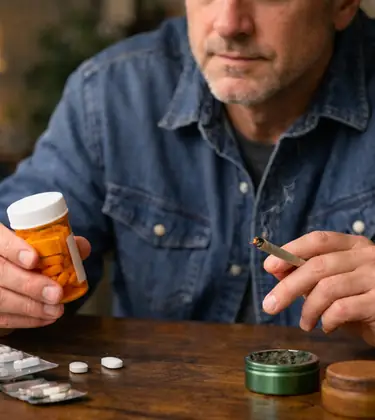
Plenty of people who use cannabis also take something from a pharmacy. Blood pressure pills, antidepressants, pain meds, anxiety scripts, blood thinners, the whole cabinet. And most of them have quietly wondered whether lighting up or biting into an edible is going to mess with whatever their doctor handed them.
The honest answer: sometimes yes, sometimes no, sometimes the research is not there yet. But a few specific combinations deserve real attention, and the reasons are simpler than most people assume.
Medical cannabis is legal in the majority of US states, and recreational use keeps climbing across age groups. That means a lot of households are quietly running cannabis and pharmacy meds in parallel, often without the doctor ever knowing. Worth understanding what actually happens when they meet.
How does weed interact with prescription drugs?
Your liver runs a crew of enzymes called the cytochrome P450 (CYP) system. They handle cleanup for most of the medications you swallow, including the cannabinoids in cannabis. When two substances compete for the same enzyme, one slows the other's exit from your body. Higher concentrations then sit in your bloodstream than you or your doctor planned for.
This is the same mechanism behind the grapefruit warning stuck on pill bottles, where a single glass of juice can inhibit intestinal CYP3A4 for up to 72 hours. Cannabis plays in the same sandbox. THC slows down CYP2C9 and CYP3A4, and CBD is an even more aggressive enzyme inhibitor, particularly of CYP2C19 and CYP3A4.
When those enzymes get bogged down, the medications they usually process start stacking up. Some work harder than expected. Some work less. Some produce side effects your doctor never warned you about because nobody told them you smoke.
Which medications have the heaviest interactions?
Not every prescription is a problem. The ones worth taking seriously are drugs with narrow therapeutic windows, where a small shift in blood concentration makes a big difference in outcome.
Warfarin and other blood thinners. This is the most thoroughly documented cannabis-drug interaction in the medical literature. In one widely cited case report, a 56-year-old man on long-term warfarin landed in the hospital twice with dangerous internal bleeding after increasing his cannabis use. His INR hit 11.55, where anything above 4 is already considered a serious bleeding risk.
SSRIs and other antidepressants. Cannabinoids and SSRIs compete for the same liver enzymes and both influence serotonin signaling. The combination can raise SSRI levels in the blood and amplify side effects like dizziness, fatigue, and anxiety. Serotonin syndrome is a rare but potentially fatal risk when serotonin-boosting substances pile up.
Clobazam and other seizure medications. CBD can triple the concentration of clobazam's active metabolite, which is exactly why patients on FDA-approved CBD (Epidiolex) are monitored so closely.
Opioids, benzodiazepines, and other sedatives. These do not only interact through the liver. They share the same central nervous system depressant effects as cannabis. Stack them and you get amplified sedation, slowed breathing, and impaired motor control. Federal researchers have specifically flagged warfarin, opioids, and benzodiazepines as concerns for older adults using cannabis.
Immunosuppressants. A documented case of CBD tripling tacrolimus blood levels was enough to get this flagged in transplant pharmacology.
Some cancer drugs. Tamoxifen is metabolized more slowly in the presence of cannabinoids, which means less of the active form reaches the tissue it is supposed to reach.
Statins, antipsychotics, and certain heart meds. Many of these run through CYP3A4, the same enzyme cannabinoids interfere with. Changes in blood concentration can mean more side effects (muscle pain with statins, sedation with antipsychotics) or reduced protection. Worth flagging at your next refill.
If your pill bottle carries a grapefruit warning sticker, assume cannabis deserves the same conversation with your doctor.
Does the way you consume weed change the risk?
Route matters. Smoking and vaping push cannabinoids into the bloodstream almost immediately, usually peaking within 30 minutes. Peak levels are higher, and so is the potential for interaction with whatever else is already in the mix.
Edibles take longer and deliver a smoother, longer curve of cannabinoid exposure. The tradeoff is a longer window during which interactions can occur.
Topicals like lotions and balms mostly stay at the skin level and rarely reach blood concentrations high enough to matter, though the research here is thin.
Frequency matters too. Occasional use rarely produces measurable interactions. Regular heavy use is a different story. Smoking more than two joints a week has been shown to push the clearance of theophylline up by 40%, meaning the medication was flushed out faster and worked less well.
Feeling lost on how to start? Try taking our quiz!
Start a QuizIs CBD safer than THC when you are on medications?
Here is the part that surprises people: CBD often causes more drug interactions than THC, not fewer. It binds tightly to CYP3A4 and CYP2C19, and because it is sold widely as a supplement with no dosage oversight, most people take it at levels that matter pharmacologically. A team at Penn State built a free cannabis-drug interaction database called CANN-DIR specifically because CBD interactions kept getting missed by pharmacies that screen for everything else.
CBD being non-intoxicating does not make it pharmacologically quiet. A gummy can still tip a blood test.
One practical implication: starting or stopping a regular CBD routine mid-prescription counts as a change your prescriber should know about. Levels of whatever they put you on may swing in either direction as your enzymes either free up or get tied back down.
The unexamined day is a wasted opportunity. Reflect on what you did, what you learned, and how you can improve.
John Dewey
What to do if you use cannabis and take prescriptions
Tell your doctor. The single most protective move you can make. Medical cannabis is legal in most US states, but plenty of primary care providers still do not ask, and if you do not volunteer the information, they cannot factor it into their decisions. Doctor-patient confidentiality covers it.
Ask your pharmacist. Pharmacists are often the most up-to-date clinicians on drug interactions, and several hospital systems now consult cannabis-specific databases when filling scripts.
Start low, go slow, one variable at a time. Do not start a new cannabis product, a new dose, and a new medication in the same week. You will have no way to tell what is causing what.
Pay extra attention to narrow-window drugs. Warfarin, lithium, some anticonvulsants, tacrolimus, methotrexate, digoxin. Small shifts in blood concentration have real consequences with these.
Watch for new symptoms. Unusual bleeding or bruising, deeper-than-normal sedation, confusion, rapid heart rate, or elevated liver enzymes on routine bloodwork. These are worth a phone call to your prescriber, not a forum search.
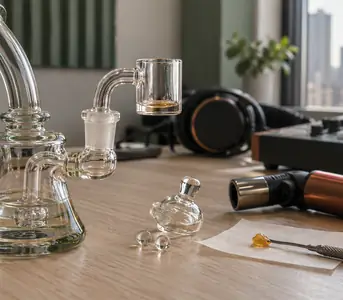
Be extra cautious with high-potency extracts. Dabs, concentrates, and strong edibles deliver doses that dwarf what a joint puts in your system. The higher the dose, the more of those liver enzymes get tied up at once, and the bigger the interaction window. If you are on serious medication and want to stay in cannabis, flower or a low-dose edible is a friendlier starting point than a 90% THC wax pen.
The Barney's Farm take on all this
We have been breeding cannabis in Amsterdam since 1986. Three decades with this plant teach you that cannabis rewards the people who respect it and makes life harder for the ones who do not.
Treating cannabis as a casual snack next to a serious prescription is a category error. The plant carries biologically active compounds that interact with your liver, your nervous system, and your hormonal signaling. Just because it grows in dirt and smells like the best thing in the garden does not mean it politely ignores pharmaceutical chemistry.
Good cannabis use for anyone on medication looks simple enough. Know what you are consuming, meaning the strain, the approximate THC and CBD content, and the dose you are taking. Know what you are on, meaning the name of the prescription, what it treats, and whether it has a narrow therapeutic window. Keep both your doctor and your pharmacist in the loop. Start smaller than you think you need. And if you are on warfarin, clobazam, tacrolimus, an MAOI, or something similarly high-stakes, accept that cannabis may not fit into your current treatment without real monitoring.
The plant is not the enemy here. Inattention is. Respect the chemistry, respect your body, and respect the people helping you stay alive. That is the part the dispensary menu cannot teach you.
Barney's Farm has been developing premium cannabis genetics since the 1980s, with over 40 Cannabis Cup wins. Explore our full cannabis seed catalog and find strains bred for every climate and skill level.