How to Cure Cannabis for Better Flavor, Potency and Shelf Life
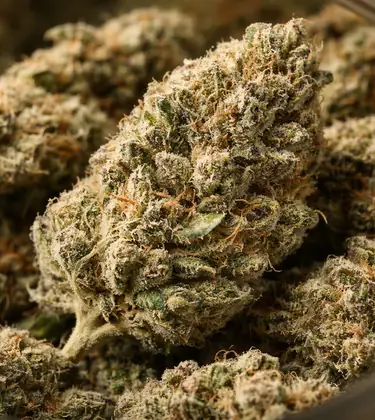
You grew it. You harvested it. You trimmed every last sugar leaf by hand and hung those branches upside down like some ritual offering to the weed gods. And now you want to skip the cure and smoke it? Hold up.
Curing is the final checkpoint between decent homegrown and genuinely outstanding flower. It takes patience, a few mason jars, and a basic understanding of what happens inside a bud after harvest. This guide covers how to cure cannabis the right way, why the process matters for terpenes and cannabinoids, and how long you should actually let your buds sit before lighting up.
What Does Curing Cannabis Actually Do?
Curing is a controlled aging process. In botanical terms, it falls under the same category as curing tobacco or tea: a short post-harvest period that dries the product, stops biological activity, and reduces compounds like sugars and chlorophyll that degrade quality.
When you skip the cure, leftover chlorophyll gives smoke a harsh, grassy bite. Residual starches and sugars feed bacteria. And those terpenes you spent months developing? They keep evaporating into thin air because the moisture inside the bud is still shifting around with nowhere stable to land.
A proper cure changes the game in three ways. First, chlorophyll breaks down, which removes that fresh-cut-lawn taste and lets the actual strain flavor come through. Second, moisture equalizes between the inside and outside of each bud, creating a consistent burn that produces clean, light-colored ash. Third, cannabinoids stabilize. THC left in fluctuating conditions oxidizes into CBN faster, which softens potency over time.
How Does Drying and Curing Cannabis Work Together?
Drying and curing cannabis are two stages of the same process, and getting them confused is one of the most common post-harvest mistakes. Drying comes first. Curing comes second. They serve different purposes, and you cannot skip one or substitute one for the other.
Drying removes the bulk moisture from freshly harvested buds. At harvest, cannabis contains roughly 75–78% water. The goal during drying is to bring that down slowly over 7 to 14 days in a dark room at 60–70°F with around 50–60% relative humidity. Hang branches upside down or use drying racks, and keep buds from touching each other to prevent mold. You know they’re ready when small stems snap cleanly instead of bending.
Curing is the second phase. Once buds feel dry to the touch and stems snap, they go into airtight containers. This is where internal moisture slowly redistributes, enzymes break down remaining chlorophyll and sugars, and terpenes settle into a stable profile. Rushing the dry kills the cure. If buds are overdried, the enzymatic processes that drive curing shut down permanently.
Research from the Cannabis Research Coalition found that flower dried in a stable environment retained 16% more terpenes and showed better trichome integrity compared to traditional setups with inconsistent temperature and humidity. The takeaway is clear: stable conditions during drying set the foundation for everything curing can accomplish.
What’s the Best Method for Curing Weed in Jars?
Curing weed in jars is the most proven and accessible method, and it works beautifully for home growers. Here’s the step-by-step breakdown.
Choose the right containers. Wide-mouth quart-sized glass mason jars are the standard. Glass is non-porous, airtight, and doesn’t leach chemicals. Avoid plastic bags or containers. Plastic is permeable to oxygen, which accelerates degradation.
Fill jars loosely. Pack buds to about 75% capacity. You want enough air circulation inside for moisture to move around, but not so much empty space that the buds dry out too fast. If buds clump together when you shake the jar gently, they need more drying time before curing.
Store in the right environment. Keep jars in a cool, dark space. Room temperature around 70°F works, with internal jar humidity sitting between 58–62% RH. A small hygrometer inside each jar takes the guesswork out. If humidity climbs above 65%, pop the lid and let the buds breathe for a few hours. If it drops below 55%, the cure is effectively over.
Humidity packs are optional but useful. Boveda 62% packs or similar two-way humidity control products maintain consistent moisture inside the jar. They absorb excess humidity and release it when conditions get too dry. Useful insurance, especially in climates with big swings between seasons.
Feeling lost on how to start? Try taking our quiz!
Start a QuizWhy Is Burping Cannabis Jars So Important?
Burping cannabis jars is the act of opening them periodically to exchange stale air for fresh oxygen and release built-up moisture. It sounds simple because it is. But skipping this step is where most cures go sideways.
During the first week of curing, open each jar once or twice a day for about 5 to 10 minutes. This lets off-gassing moisture escape and prevents the kind of warm, humid microclimate that breeds mold. If you open a jar and catch a whiff of ammonia, that’s anaerobic bacteria doing their thing. Leave the lid off for a full day, inspect the buds for visible mold, and restart the process.
After the first week, taper down to burping every two or three days. By week three or four, once a week is plenty. The buds will settle into a rhythm. They’ll smell richer, feel drier to the touch but slightly spongy when squeezed, and the hay scent from early drying will be long gone.
At Barney’s Farm, we’ve spent over 30 years learning what separates good flower from top-shelf results, and the cure has always been a non-negotiable part of that equation. Genetics set the ceiling. Growing gets you close. But the cure is what puts the final signature on a strain’s flavor and effect. Varieties with complex terpene profiles, like those bred for layered citrus, fuel, or tropical notes, reward a patient cure more than almost any other variable you can control post-harvest.
The unexamined day is a wasted opportunity. Reflect on what you did, what you learned, and how you can improve.
John Dewey
How Long to Cure Weed for the Best Results?
The minimum cure time most growers agree on is two to four weeks. That window gives chlorophyll enough time to break down and terpenes enough time to stabilize. For many strains, four weeks in the jar delivers a noticeable upgrade in smoothness and flavor compared to freshly dried buds.
But the real sweet spot, especially for terpene-heavy genetics, is six to eight weeks. Longer cures allow volatile monoterpenes like myrcene and limonene to settle into balance with heavier sesquiterpenes like caryophyllene. The aroma becomes more defined. The smoke gets silkier. And the overall effect often feels more rounded and complete.
Some growers go further. A review of post-harvest cannabis research published in the journal Bioengineering noted that while curing is widely recognized as one of the most significant post-harvest operations, it remains under-investigated in terms of optimal time, temperature, and container variables. The same review identified 18°C and 60% relative humidity as one of the more effective curing conditions studied to date.
Bottom line: two weeks is the floor. Four weeks is reliable. Six to eight weeks is where serious growers and connoisseurs park their jars. After that, you’re into long-term storage territory, and the returns diminish as long as conditions remain stable.
Can a Bad Cure Ruin Good Genetics?
Absolutely. And it happens more often than most people think.
When flower is dried too fast or cured in unstable conditions, trichome heads rupture and volatile terpenes escape. Once those monoterpenes are gone, they’re gone for good. No amount of rehydration or re-jarring brings them back. According to testing data reported by Cannabis Industry Journal, flower can lose over 60% of its terpene content between harvest and retail shelf if temperature and moisture aren’t controlled throughout the post-harvest chain.
This is exactly why the work that goes into breeding matters so much. When you’re growing genetics from breeders like Barney’s Farm, with over 40 Cannabis Cup wins behind them, you’re starting with terpene and cannabinoid profiles that have been selected and refined over decades. Losing that to a sloppy cure is like buying premium fuel and pouring it into a car with no gas cap.
What’s the Best Way to Store Cured Cannabis Long Term?
Once your buds are properly cured, long-term storage is straightforward. Keep them in their glass jars with humidity packs, stored in a cool and dark location away from direct sunlight. UV light degrades cannabinoids quickly, and heat accelerates terpene evaporation.
Industry experts have noted that proper post-harvest planning is as important as cultivation itself, and that well-cured, well-stored flower can maintain its quality for up to two years.
A few storage rules worth following: never mix strains in the same jar, since terpene profiles will bleed into each other. Label everything with strain name and cure date. And avoid opening jars frequently once the cure is complete. Every time you pop that lid, you’re letting oxygen in and volatile compounds out.
The Cure Is Where Craft Meets Chemistry
Growing cannabis is a skill. Curing it is a discipline. The two work together, and neither can carry the full weight alone. Whether you’re a first-time grower drying a few branches in a closet or a seasoned cultivator dialing in conditions across dozens of jars, the fundamentals stay the same: dry slow, jar at the right moisture level, burp consistently, and give the process time.
With genetics built for complexity, like the award-winning strains bred by Barney’s Farm in Amsterdam for over three decades, a well-executed cure brings out every layer the plant was designed to deliver. The flavor hits different. The smoothness speaks for itself. And the effect lands exactly where it should.
Don’t rush the finish line. Your buds earned this.
Barney's Farm has been developing premium cannabis genetics since the 1980s, with over 40 Cannabis Cup wins. Explore our full seed catalog and find strains bred for every climate and skill level.