Delta-11 THC: The Newest Isomer on Gas Station Shelves
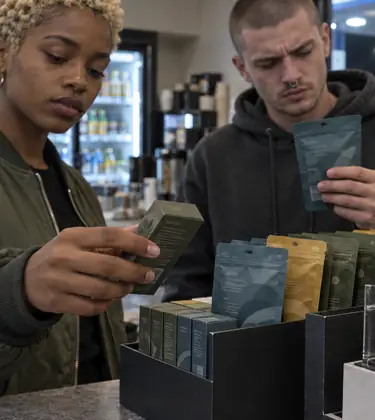
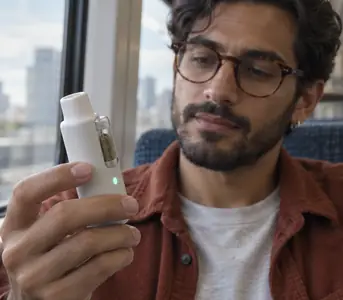
Gas station counters have sold a long line of THC variants. Delta-8 came first, then delta-10, THC-O and HHC, and now vapes and gummies labeled delta-11.
The name suggests something new and stronger. The chemistry says otherwise: delta-11 is a lab-made relative of delta-9 THC that proved weaker in animal tests, has no published human studies, and could be treated as marijuana under federal law from November 12, 2026.
Key takeaways
- Delta-11 THC is delta-9(11)-THC, also called exo-THC, a THC isomer with its double bond outside the ring.
- The World Health Organization lists it as not naturally occurring, and products get it through lab conversion, usually from delta-8.
- In animal tests it was weaker than delta-9, about 3 times in rats and 8 to 100 times in monkeys.
- No published study has tested delta-11 in humans.
- From November 12, 2026, federal law treats hemp products with cannabinoids the plant cannot naturally produce as marijuana.
- Texas has banned synthetic THC forms, and Ohio and California now limit intoxicating hemp to licensed dispensaries.
A double bond in an unusual spot
THC comes in several isomers, molecules built from the same atoms arranged in different ways. Delta-9, the main intoxicant in cannabis, is named for a double bond at the ninth carbon position, inside one of its rings. Delta-11 THC, more properly delta-9(11)-THC or exo-THC, moves that bond outside the ring, between carbons 9 and 11.
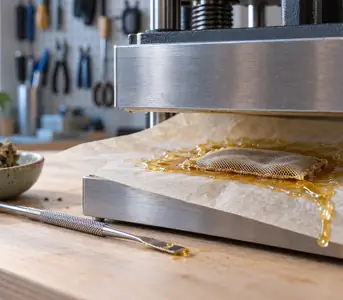
It barely exists in nature. A 2018 World Health Organization review lists delta-9(11)-THC as not naturally occurring and describes lab routes from delta-8 THC, including ultraviolet light, which gave a 30% yield. FDA chemists call it a known impurity of dronabinol, the synthetic THC in prescription capsules, and note that it may turn up in THC isolated from the plant.
That makes it the opposite of the THC in a living plant. Sour Diesel, a Chemdawg and Super Skunk cross listed at 26% THC, builds its THC in the flower as THCA, which turns into delta-9 when heated.
The name also invites confusion with 11-hydroxy-THC, a different compound. That one is the main active metabolite of tetrahydrocannabinol, made by the body after use, and its levels run higher when cannabis is eaten instead of inhaled.
Weaker in animals, untested in people
Most of what is known about delta-11 effects comes from animal studies that are decades old. In a 1993 drug discrimination study, rats and rhesus monkeys trained to recognize delta-9 treated delta-9(11)-THC as similar, although it was less potent in both species, with a bigger gap in monkeys. In those discrimination tests, it did not block the effects of delta-9.
How much weaker it looked in other tests:
- Rats, about 3 times less potent, according to the WHO review
- Mice, 4 to 40 times less potent across standard tests
- Rhesus monkeys, 8 to 100 times less potent at suppressing trained behavior in a 1987 study
- Dogs, signs of nervous system depression but none of the classic cannabis effects
The earlier 1987 study did find that, in monkeys, a dose given first blunted some effects of delta-9, such as drooping eyelids, sedation and poor coordination, though not in mice or dogs. The WHO review adds that delta-9(11)-THC binds to cannabinoid receptors less readily than delta-9, has never been tested in humans, and would take high doses to cause delta-9-style intoxication.
Set side by side, delta-11 vs. delta-9 looks like this:
| Feature | Delta-9 THC | Delta-11 THC |
|---|---|---|
| Double bond | Inside the ring | Outside the ring, between carbons 9 and 11 |
| Found in the plant | Yes, made as THCA | Listed by the WHO as not naturally occurring |
| How products get it | Grown in the plant and extracted | Lab conversion, usually from delta-8 |
| Strength in animal tests | Reference compound | 3 to 100 times weaker, depending on species |
| Human studies | Many clinical trials | None published |
| Feature | Double bond | Found in the plant | How products get it | Strength in animal tests | Human studies |
|---|---|---|---|---|---|
| Delta-9 THC | Inside the ring | Yes, made as THCA | Grown in the plant and extracted | Reference compound | Many clinical trials |
| Delta-11 THC | Outside the ring, between carbons 9 and 11 | Listed by the WHO as not naturally occurring | Lab conversion, usually from delta-8 | 3 to 100 times weaker, depending on species | None published |
Feeling lost on how to start? Try taking our quiz!
Start a QuizVape carts, gummies and gas stations
Delta-11 comes from the same conversion chemistry as the other hemp isomers. When FDA chemists analyzed about 300 cannabis vaping liquids during the investigation of the 2019 vaping lung injury outbreak, which killed 68 people, they found delta-8, delta-10 and exo-THC among the extra isomers, and significant or major amounts of unnatural THC isomers were found in over 10% of the THC vaping liquids. Lesser amounts showed up in another 60%. The chemists traced the problem to chemical and heat treatment of concentrates and converted hemp during manufacturing.
Products like these reached ordinary shops. The Associated Press reported in October 2026 that vape oil, gummies, chips and sodas laden with hemp-derived THC had spread around the country, including to gas stations and convenience stores, where even teens could buy them. In a national survey published in 2024, more than 11% of high school seniors said they had used delta-8 in the past year, NPR reported.
They can also show up on a drug test. A 2023 study found that the main urine metabolite of delta-8 cross-reacted at 87% to 112% on three standard THC screening kits. We found no published data on delta-11, so anyone facing a drug test should assume it can trigger a positive screen.
The unexamined day is a wasted opportunity. Reflect on what you did, what you learned, and how you can improve.
John Dewey
Federal law and the November deadline
Delta-11 spread through a gap in the 2018 Farm Bill, which defined hemp as cannabis with no more than 0.3% delta-9 THC by dry weight and did not list other cannabinoids. Congress closed that gap in November 2025, when an appropriations law rewrote the definition of hemp. So is delta-11 legal now? Probably not for much longer.
According to a Congressional Research Service report updated September 28, 2026, the effective date for portions of the definition of hemp has been delayed until December 11, 2026, but one part still starts on November 12. From that day, hemp products containing cannabinoids that are not capable of being naturally produced by the cannabis plant are to be classified as marijuana under the Controlled Substances Act. The delay came from a stopgap spending law that Congress passed on September 2.
Whether delta-11 falls in that group is not yet settled on paper. The law told the FDA to publish a list of cannabinoids the plant can naturally produce, and as of late September 2026 no such list had appeared. The WHO review counts delta-9(11)-THC as not naturally occurring, while FDA chemists note that traces may appear in THC isolated from the plant.
The December deadline matters even more for gas station stock. The Associated Press reported that the new definition limits hemp products to 0.4 mg of THC per container, far below the doses that hemp gummies and vapes are sold to deliver. The industry, which AP valued at $28 billion, is fighting the change.
States moving first
Many states did not wait for Congress, and AP counts dozens that have regulated or banned impairing hemp products. Texas acted this summer. The ban applies to all synthetically created THC forms, the Texas Tribune explained, including delta-8, delta-10, THCP and THCA flower, with low-dose delta-9 as the one exception. Since July 31, possession of banned products can be treated as a state jail felony, which carries 180 days to two years in prison and fines of up to $10,000. Other states have taken different routes:
- Ohio, where intoxicating hemp products have been limited to licensed dispensaries since March 20, 2026
- California, where a 2025 law stops the sale of synthetic cannabinoid products and inhalable hemp products
- Virginia, where consumable hemp products are capped at 2 mg of total THC per package from August 15, 2026, a rule seven businesses have challenged in federal court
Labels, lab reports and homegrown delta-9
Conversion tends to leave a mix of compounds. As the FDA vaping study showed, the same liquid can hold several THC isomers at once, and a gas station label may not name all of them. Ask for a lab certificate that lists each THC isomer by name, and pass on products that report only a vague total.
Growing your own avoids the isomer question where home cultivation is legal. Runtz Muffin, a Zkittlez, Gelato #33 and Orange Punch cross at 30% THC, finishes in 56 to 63 days and makes its THC the way cannabis always has, as THCA in the flower.
Old molecule, new label
Delta-11 is not new. Chemists made delta-9(11)-THC in the 1970s, found it weaker than delta-9 in rats, mice and monkeys, and never tested it in people. It reaches shelves through lab conversion, often mixed with other isomers, and federal law is about to treat cannabinoids the plant cannot make as marijuana, with a 0.4 mg THC limit per container following on December 11. Texas, Ohio and California have already acted.
Stick with THC that your own plants make. Barney's Farm has been developing premium cannabis genetics since the 1980s, with over 40 Cannabis Cup wins. Explore our full seed catalog and find strains bred for every climate and skill level.