Does Weed Release Dopamine? What THC Does to Your Reward System
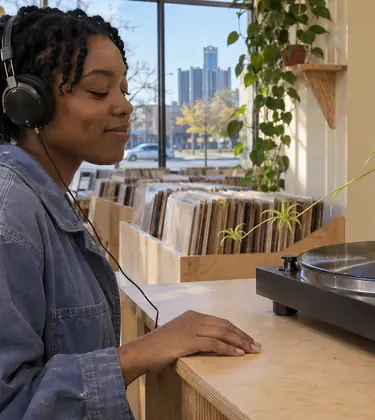
You reach for the volume knob before your favorite chorus lands. Dopamine helps you anticipate that payoff. So does weed release dopamine? Human brain scans suggest THC can briefly increase dopamine signaling in one region involved in reward.
The signal was modest. It tells us little about why a particular high feels good or why the next morning sometimes feels flat. Researchers study those experiences in different ways.
Key takeaways
- A pooled analysis of 20 people found a small dopamine-related change after THC in one part of the striatum.
- Dopamine helps you learn what to pursue. Enjoyment, anticipation, and the effort you put into getting something can differ.
- Researchers have found a weaker response to a stimulant in a small group of adults with severe cannabis dependence.
- Brain scans taken during reward games track changes in blood oxygen. They cannot tell you how much dopamine a person released.
- Feeling flat after a high is a real experience with several possible explanations. The feeling alone cannot identify a chemical cause.
- Withdrawal symptoms can follow a sharp reduction in regular THC use. Their timing gives no reliable countdown to a dopamine reset.
How THC gets into the reward circuit
THC acts at CB1 receptors, part of the endocannabinoid system. Brain cells use this signaling system to adjust the messages they send each other. Some of those messages normally put a brake on cells that release dopamine. In certain circuits, activating CB1 can ease that brake. This indirect route helps explain why THC can change dopamine signaling even though dopamine and THC act at different receptors.
Dopamine matters well before the payoff. Imagine the opening notes of that song coming through the wall from the bar downstairs. You recognize it, expect the part you like, and decide whether to head down. Recognizing a cue, wanting to act on it, and enjoying what happens next are related jobs. Scientists can design an experiment around any one of them. That choice changes what the result means.
Smell can be a cue, too. Pineapple Chunk has a distinctive mix of pineapple and sharp cheese aromas. Someone familiar with the flower can recognize it before consuming any THC. By then, memories and expectations may already be shaping the experience. You would need a different experiment to separate what the familiar smell brings to mind from what the THC does later.
What researchers saw after a single dose
The clearest human evidence on THC and dopamine comes from a reanalysis of two small PET studies. Researchers combined data from 20 healthy participants and used the same method to analyze both sets of scans. They looked closely at the limbic striatum, a region involved in motivation and reward. A tracer that normally binds to dopamine receptors bound a little less there after THC than after placebo.
| PET measurement | What the result means |
|---|---|
| Tracer binding fell 3.65% in the limbic striatum. | The pattern is consistent with a modest local dopamine increase after THC. |
| Other striatal subdivisions showed no significant change. | The data do not support extending the finding to the entire striatum. |
| PET measurement | Tracer binding fell 3.65% in the limbic striatum. | Other striatal subdivisions showed no significant change. |
|---|---|---|
| What the result means | The pattern is consistent with a modest local dopamine increase after THC. | The data do not support extending the finding to the entire striatum. |
How can less tracer mean more dopamine? The tracer and dopamine compete for some of the same spots on a brain cell. When more dopamine is present during the scan, fewer of those spots are available to the tracer. The scanner picks up that change in binding. It gives the researchers a way to estimate what happened without sampling fluid directly from that part of the brain.
That 3.65% figure is easy to misread. It tells you how much less tracer bound to receptors after THC. It cannot tell you how intense the high felt or give you a percentage increase in dopamine. The team found no clear difference between THC and placebo in the neighboring regions.
Three questions to ask about a brain scan
- What happened before the scan? Taking THC, stopping after daily use, and looking at a cue on a screen are different experiments.
- What did the scanner pick up? A tracer competing for receptors and a change in local blood oxygen tell researchers different things.
- Who took part? Results from healthy volunteers given THC once may have little to say about people who have used it heavily for years.
Feeling lost on how to start? Try taking our quiz!
Start a QuizDoes regular use change what feels rewarding?
A Columbia team compared 11 adults with severe cannabis dependence with 12 healthy controls. The first group spent a week in the hospital without cannabis before testing. Both groups then received oral amphetamine so the researchers could see how strongly their dopamine systems responded to the same challenge. The group with cannabis dependence showed a smaller release in several regions.
A week without cannabis made it less likely that the scans were picking up the effects of the last joint. But a week is still early. The team had no scans from before these participants started using cannabis or from months after they stopped, so we do not know when the difference appeared or how long it lasted.
Researchers studying cannabis and the reward system also want to know whether ordinary things hold less appeal between highs. One way to test that is to offer people a chance to win money. A cue tells them a reward might be coming, and the scanner records what happens while they wait. They can want the money, pay attention to the cue, and still have a smaller signal than another participant.
| Experiment | Question it can answer | What stays open |
|---|---|---|
| PET after a stimulant | How strongly does the dopamine system respond to a challenge? | How much the person enjoys an ordinary activity |
| Functional MRI during a game | Which regions change activity while the person anticipates money? | The amount of dopamine released during that wait |
| Experiment | PET after a stimulant | Functional MRI during a game |
|---|---|---|
| Question it can answer | How strongly does the dopamine system respond to a challenge? | Which regions change activity while the person anticipates money? |
| What stays open | How much the person enjoys an ordinary activity | The amount of dopamine released during that wait |
A review of nine studies using a monetary reward task described inconsistent evidence across 534 people. A later study tracked 96 participants over a year and found a relative decline in reward anticipation activity in the ventral striatum among those using cannabis. The size of the difference was small. Neither finding settles whether a particular person will lose interest in cooking, making plans, or seeing friends.
The reward game also separates two moments that are easy to lump together. Seeing a cue that you might win money is one moment. Finding out you actually won is another. The yearlong study focused on the wait after the cue. A change during that wait says little about how good the win felt when it arrived.
A strain name adds little to that prediction. Mimosa EVO pairs Mimosa and Orange Punch genetics and has a citrus-and-berry profile. A grower can describe those traits with some confidence. A claim that the flower replenishes dopamine, or releases a particular amount, would require human measurements that a description of its genetics cannot supply.
The unexamined day is a wasted opportunity. Reflect on what you did, what you learned, and how you can improve.
John Dewey
What people mean by a weed dopamine crash
Someone describing a weed dopamine crash might mean feeling tired when a high wears off. Another person means that nothing sounds good on the first few evenings without cannabis. Timing helps distinguish those experiences. It is also worth asking whether the change is in wanting to start an activity or in enjoying it once you get going.
- If the slump is mostly the next morning, consider how much you slept and whether you still feel impaired.
- If irritability, poor sleep, or appetite changes begin after cutting back on regular use, the timing can fit withdrawal.
- If low mood or loss of interest persists or disrupts daily life, talk with a health professional. You can describe exactly what changed without having to explain the chemistry yourself.
What changes after quitting weed?
There is no established personal timeline for dopamine after quitting weed. There is better evidence on when withdrawal symptoms occur. A clinical review found that symptoms commonly start within a day or two of stopping regular use, often peak between days two and six, and can last three weeks or longer in some heavy users. Sleep problems and loss of appetite are among the symptoms researchers track.
A useful detail to bring to an appointment is what an ordinary day looked like before and after cutting back. Did you lose interest in dinner, or were you hungry but too tired to cook after a rough night? Did you turn down plans all month, or only during the first weekend? Those details give you and your clinician a starting point, even if you have no idea what your dopamine was doing.
What to watch between highs
If music or dinner with friends feels flat, pay attention to how long that lasts and whether it changes when you cut back. Those details say more about your week than a guess about your dopamine level.
Barney's Farm has been developing premium cannabis genetics since the 1980s, with over 40 Cannabis Cup wins. Explore our full seed catalog and find strains bred for every climate and skill level.