Cannabis Tinctures: How They Work and Why They're Making a Comeback
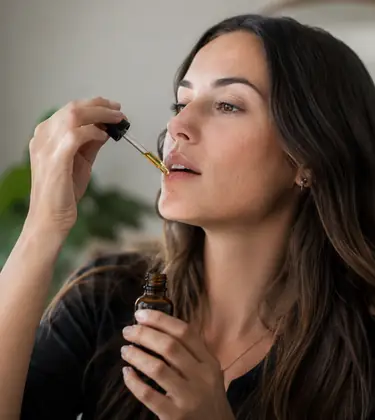
If you walked into an American pharmacy in 1900, the cannabis on the shelf wasn't a joint. It was a small brown bottle with a glass dropper, sitting next to the laudanum and the cough syrup. Cannabis tinctures were everyday medicine, prescribed for migraines, insomnia, pain, and a long list of complaints in between. Then prohibition rolled in and tinctures vanished from the cultural script for almost eighty years.
They're back. In dispensaries from Los Angeles to Boston, they're quietly outselling categories nobody talks about. Here's why people are passing on the gummy and reaching for the dropper.
What's actually in a cannabis tincture?
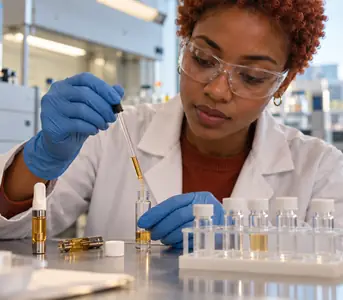
A tincture is plant matter dissolved in a solvent. Soak cannabis flower in high-proof alcohol (or MCT oil, or glycerin), let the cannabinoids and terpenes leach out over days or weeks, strain off the plant material, and you're left with a concentrated liquid that tastes like a hippie's spice rack and hits like a cleaner version of an edible.
Cannabis tinctures aren't a new wellness gimmick. They appeared in the official US drug listings until 1942, when prohibition finally pushed them off the medical books. Before that, doctors prescribed tinctures for everything from menstrual cramps to seizures. The version on dispensary shelves today is cleaner, more consistent, and lab-tested for cannabinoid content. The principle, though, is the same one apothecaries used in the 1880s.
Most tinctures fall into two camps based on their solvent. Alcohol-based tinctures absorb a touch faster sublingually and last for years on the shelf, but they can sting under the tongue. Oil-based tinctures (usually MCT or olive oil) taste milder and feel friendlier in the mouth, but they have a shorter shelf life and need to be checked for rancidity if a bottle has been sitting open for a while.
How sublingual cannabis actually works
Sublingual means "under the tongue." Drop the tincture, hold it there for a minute or two, swallow what's left. The mucous membranes under your tongue are full of small blood vessels, and a portion of the cannabinoids absorb directly into your bloodstream from there.
That portion bypasses your liver. Edibles don't. When you eat a gummy, your stomach and liver process the THC first, converting it into 11-hydroxy-THC, a metabolite that hits harder and lasts longer than the THC you started with. That's why edibles feel different from anything else cannabis-related.
Tinctures land somewhere between smoking and eating. Sublingual THC has a faster onset of 15 to 60 minutes, with peak effects around 45 minutes and a duration of four to six hours. Faster than a brownie, slower than a bong, and the effects taper off without dragging into the next morning.
A few practical things matter here. Hold the dose under your tongue without moving it around. Don't sip water. Don't talk through it. The longer the liquid sits in contact with the membrane, the more cannabinoid actually goes the sublingual route instead of getting swallowed and metabolized like a slow-onset edible.
THC tincture dosage: where to start
Tinctures shine because you can dose to the milligram. Most THC tinctures list potency in mg per mL, with a standard dropper holding 1 mL. The math from there is simple. A 300 mg bottle in a 30 mL package gives you 10 mg per dropper, or 1 mg per drop, more or less.
For someone new to cannabis, or new to tinctures specifically, 2.5 mg is a reasonable starting dose. Five mg is a moderate evening dose for most casual users. Daily consumers can land anywhere from 10 to 50 mg depending on tolerance and the goal.
Wait two hours before redosing. The mistake people make with tinctures is the same mistake they make with edibles: they don't feel anything in twenty minutes and take more. Then the first dose kicks in around the same time as the second one, and the night gets longer than planned.
A small notebook helps. Write down the dose, the time, what you ate that day, and how the night went. Three or four sessions of this and you'll know your number better than any dispensary chart could tell you.
Feeling lost on how to start? Try taking our quiz!
Start a QuizTincture vs edibles: what changes
The cannabinoid is the same. The delivery system is what changes the experience.
Edibles travel through your digestive system, get processed by your liver, and emerge as 11-hydroxy-THC, a stronger and longer-lasting compound. Onset is slow at 30 minutes to two hours, and effects can stretch six to ten hours. Useful for sleep but unforgiving on dosage. Eat too much and you're committed.
Tinctures used sublingually are partially absorbed through the mouth and partially swallowed. The portion that absorbs under the tongue hits faster than digestion. Duration sits in the four-to-six-hour range, which fits a dinner-and-a-movie night better than a ten-hour edible session. Tinctures are also dose-flexible in a way that edibles are not. You can take 2 mg one night and 8 mg the next without breaking anything in half.
Pharmacokinetic research shows that after oral or sublingual cannabis, plasma THC concentrations are much lower than after smoked administration, but the trade-off is predictability and a longer, smoother arc.
The simple rule: if you want fast and short, smoke or vape. If you want long and intense, eat. If you want medium and adjustable, drop.
The unexamined day is a wasted opportunity. Reflect on what you did, what you learned, and how you can improve.
John Dewey
Why tinctures are making a comeback
Three things changed.
First, dispensary shoppers got tired of the calorie load. Gummies and chocolates rack up sugar fast. A tincture is mostly oil or alcohol with a few drops of cannabinoid extract, so it doesn't add 30 grams of sugar to your evening.
Second, microdosing went mainstream. The cannabis culture that built itself around peak highs has split, and a real chunk of consumers want low and steady, not big and stupid. Tinctures handle low-dose use better than any other format on the shelf because they let you take a single milligram if that's what works for you.
Third, the smoke-averse crowd grew. Plenty of people who never wanted to smoke and never enjoyed gummies found the dropper. It's discreet, doesn't smell, and travels in a pocket without setting off anyone's radar. National survey data confirms the broader shift: higher-THC products like vape pens, edibles, oils, and tinctures are displacing flower as the dominant form of cannabis consumption in legal markets across the country.
There's also the wellness loop. Tinctures look and feel like the herbal extracts people already buy at health food stores. The dropper format is familiar to anyone who's ever taken echinacea drops or elderberry syrup. Cannabis just slid into a routine that already existed.
How to use a weed tincture without messing it up
Shake the bottle. The cannabinoids settle, especially in oil bases.
Squeeze the dropper, fill it to your dose mark, and place the liquid under your tongue. Don't squirt it onto the top of your tongue. The mucous membrane you want is on the floor of your mouth, behind the front teeth.
Hold it there for at least 60 seconds. Ninety is better. The longer you hold, the more cannabinoid absorbs sublingually before the rest gets swallowed and metabolized like an edible.
Don't drink anything immediately after. Don't eat. If you can stand the taste of an alcohol-based tincture, hold it a little longer.
Effects kick in around 15 to 45 minutes. Sit with it. Don't redose for at least two hours.
Store the bottle out of direct sunlight. Alcohol-based tinctures hold up for years if you keep them cool and dark. Oil-based ones go rancid faster, so smell-test anything that's been sitting on the shelf longer than a year.
A tincture starts with the flower
Here's the part most tincture guides skip. Every drop in that bottle came from a plant somebody grew. The cannabinoid profile, the terpene profile, the way it actually feels at 5 mg versus 10 mg, all of that traces back to the genetics and the grow.
Barney's Farm has spent more than three decades in Amsterdam selecting and stabilizing cannabis genetics, with more than forty Cannabis Cup wins along the way. The resin-heavy varieties in our catalog are the kind home growers and licensed processors reach for when they want a clean, potent base for an extract. Critical Kush, with its dense trichome production and indica-leaning effect, makes the kind of plant that translates into a relaxing evening profile. Wedding Cake brings a sweeter terpene mix and a more balanced effect, the kind that fits a daytime microdose better than a knockout dose.
The dropper is a delivery system. What's inside it, that's the work.
Barney's Farm has been developing premium cannabis genetics since the 1980s, with over 40 Cannabis Cup wins. Explore our full cannabis seed catalog and find strains bred for every climate and skill level.