Cannabis Seeds Explained: Feminized, Autoflower, Regular and F1 Hybrids
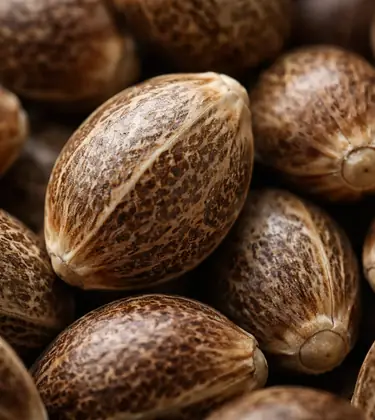
Feminized, autoflower, regular, F1 hybrid. Four seed types, four completely different growing experiences. Each one comes with tradeoffs in yield, grow time, difficulty and cost. Picking the wrong type for your setup wastes weeks of effort and cuts into your harvest. This guide covers the real advantages and disadvantages of each cannabis seed type so you can match the right genetics to your space, your schedule and your experience level.
Feminized Seeds: Pros, Cons and What to Expect
Feminized seeds produce female plants in roughly 99% of cases, which means every plant in your tent or garden is growing usable flower. No males to identify, no risk of pollination wiping out your harvest. For most growers, that alone makes feminized the default choice.
Yield potential is the biggest practical advantage. Because feminized photoperiod plants let you control the vegetative phase through light scheduling (18/6 for veg, 12/12 for flower), you decide how big the plant gets before flipping. A longer veg period means a larger canopy, more bud sites and significantly heavier harvests. Indoor growers running SCROG setups routinely pull well over a pound per light. Outdoor feminized plants can grow into absolute monsters over a five- to six-month season, producing several kilograms of dried flower from a single plant in ideal conditions.
Cloning is a major unlock. If you find a standout phenotype in a feminized pack, you can take cuttings and keep a mother plant alive indefinitely. That means you never have to buy that strain again. Every clone is a genetic copy of your best plant. This is a huge cost and quality advantage over time, and something autoflowers simply can't do.
Training techniques work best here. Topping, LST, mainlining, supercropping. Feminized photoperiod plants give you the time to recover from high-stress training because you control when flowering starts. Autos don't have that luxury. If you top an auto at the wrong time, you've just cost yourself yield with no way to recover.
The downside is time and attention. Expect 12 to 20 weeks from seed to harvest depending on the strain. You need a timer for your lights, and getting the flip wrong or having light leaks during the dark period can stress plants into hermaphroditing. Feminized seeds also require more environmental management across a longer grow cycle, including temperature, humidity, VPD and feeding adjustments between veg and flower.
After 30-plus years of breeding, we know that a feminized seed only delivers if the genetics behind it have been properly stabilized. Consistency in structure, flowering time and terpene profile across every seed in the pack is what separates good breeding from pollen-chucking.
Autoflower Seeds: Pros, Cons and What to Expect
Speed is the headline advantage. Most autoflowers finish in 8 to 12 weeks from seed to harvest, total. No veg period to manage, no light flip to time. The plant starts flowering on its own around week three or four based on age, thanks to Cannabis ruderalis genetics, a subspecies that evolved in Siberia's extreme short summers. That speed lets outdoor growers run two or even three successive harvests in a single season.
Light schedule flexibility is a game-changer for beginners. You can run 18/6, 20/4 or even 24/0 from germination to chop. No timers to stress about, no dark period light leaks to worry about. For a first-time grower, removing the light variable from the equation makes the whole process dramatically easier.
Size works for and against you. Autos stay compact, typically two to four feet tall. That's perfect for small grow tents, closets, balconies or anywhere discretion matters. But it also means less canopy, fewer bud sites and lower yields per plant compared to a photoperiod grown for the same purpose. You're trading ceiling for convenience.
Mistakes hit harder. The clock is always running on an auto. If you overwater in week two, overfeed in week three or stress the plant with a bad transplant, it doesn't have time to bounce back. A photoperiod plant can sit in veg for an extra week or two while it recovers. An auto can't. By the time you notice the problem, the plant is already flowering and the damage is locked in. This is the single most important thing to understand about autos: they're easy to grow right, but unforgiving when you grow them wrong.
No cloning. You can technically take a cutting from an auto, but the clone inherits the mother's internal clock. It will flower at the same age as the mother regardless of size, which means tiny clones producing tiny yields. Every auto grow starts from seed. That's an ongoing cost.
Potency has caught up. The old knock on autos was low THC. That's dead. Modern auto genetics routinely test above 20% THC, and some push past 25%. Barney's Farm autos like Gorilla Glue Auto and Wedding Cake Auto are bred to close the gap between auto and photoperiod performance. The days of autos being the weaker option are done.
Regular Cannabis Seeds: Pros, Cons and Who They're For
Regular seeds produce male and female plants in roughly a 50/50 split. For growers who want smokable flower, that means half your plants are effectively waste. You're paying for soil, nutrients, water, electricity and space for plants you'll pull and throw out. That's why regular seeds now account for a tiny fraction of total seed sales. But they fill a role nothing else can.
Breeding requires males. If you want to create a new cross, pheno-hunt through offspring or develop your own proprietary strain, you need pollen. Feminized seeds don't give you that. Regular seeds do. Every legendary strain on the market started as a regular seed cross between a selected male and a selected female. For anyone serious about cannabis genetics, regulars are the foundation.
Genetic diversity runs deeper. Regular seeds haven't been chemically manipulated to suppress male chromosomes. Some experienced growers argue that regular seed plants produce more vigorous root systems and stronger overall growth. The clone quality debate is real too. Cuts taken from regular seed mothers tend to root faster and grow more aggressively, though this varies by strain and isn't universal.
The practical cost is real. If you pop ten regular seeds, expect roughly five females. That means buying twice as many seeds to fill the same canopy, plus the overhead of growing plants you'll discard. You also need to sex your plants by watching for preflowers around week four to five, or by taking clones and flipping them early to identify sex. If you miss a male and it pollinates your females, your flower is full of seeds and the whole run is compromised.
Price per seed is lower. Regular seeds are typically cheaper than feminized or autoflower seeds. But when you factor in the cost of growing males you'll discard, the effective cost per harvested plant often works out higher. The math only favors regulars if you're breeding or specifically selecting males.
Feeling lost on how to start? Try taking our quiz!
Start a QuizF1 Hybrid Cannabis Seeds: Pros, Cons and What to Expect
Uniformity is the killer feature. Pop a pack of conventional seeds and you'll likely see multiple phenotypes with different heights, branching patterns, flowering times and potency levels. Pop a pack of true F1 hybrids and every plant looks and performs nearly the same. Same height, same structure, same harvest window. For commercial growers managing large canopies, that consistency eliminates guesswork and waste. Staggered finish times in a grow room mean missed maturity windows, uneven drying and potential mold on plants that aren't ready when the rest are.
Hybrid vigor is a measurable advantage. The phenomenon, scientifically called heterosis, means F1 offspring tend to outperform both parent lines in growth speed, yield and stress resistance. This principle has driven agriculture for over a century. Virtually all commercial corn, most sugar beet, and the majority of rapeseed grown in major producing regions are F1 hybrids. Cannabis is now catching up to what the rest of agriculture figured out decades ago.
The cost barrier is significant. True F1 hybrids require three to four years of professional breeding work to develop stable inbred parent lines before a single commercial seed is produced. That R&D cost gets passed to the buyer. F1 seeds are the most expensive option on the market, and you can't save seeds from your harvest and replant them. The second generation (F2) loses its uniformity as the genetics segregate, so you're buying new seeds every cycle.
Trust matters more than with any other seed type. The term "F1" is being thrown around loosely by some breeders. A real F1 hybrid comes from two genetically distinct, fully stabilized inbred lines. A simple cross between two unstable polyhybrids is not an F1 in the agricultural sense, even if the marketing says otherwise. If the breeder can't explain their inbred parent lines, be skeptical.
Strain selection is limited. Because the breeding process takes years and is resource-intensive, the number of available true F1 hybrid strains is still small compared to the thousands of conventional feminized and autoflower options out there. That's changing as more breeders invest in the technology, but for now, your choices are narrower.
The unexamined day is a wasted opportunity. Reflect on what you did, what you learned, and how you can improve.
John Dewey
Which Cannabis Seeds Should You Buy?
First grow, limited space, want it simple? Feminized autoflowers. No sexing, no light schedule, fast finish. Start here, learn the basics of watering, feeding and environment without the extra complexity.
Want the biggest possible harvest from each plant? Feminized photoperiod seeds. Extend the veg period, train the plant, fill the canopy and push yields to their maximum. This is where the extra time and attention pays off in weight.
Interested in breeding or developing new genetics? Regular seeds. The only way to access male plants and work with full genetic diversity.
Running a commercial operation or need plant-to-plant consistency? F1 hybrids. The premium price pays for itself in predictable performance and reduced waste.
Barney's Farm has been developing premium cannabis genetics since the 1980s, with over 40 Cannabis Cup wins. Explore our full seed catalog and find strains bred for every climate and skill level.