Can You Get Addicted to Weed? What the Science Actually Says
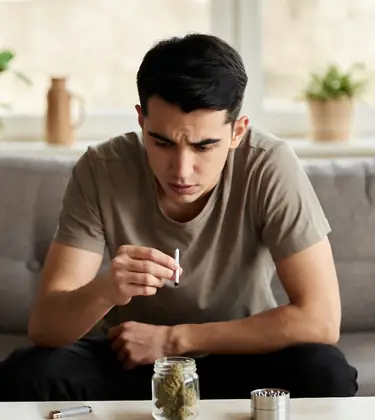
Let’s get the uncomfortable part out of the way: yes, you can get addicted to weed. Not everyone does, and it doesn’t happen the way it does with opioids or alcohol, but cannabis use disorder is a real, clinically recognized condition. The conversation around it has been muddied for decades by both anti-drug hysteria and stoner culture dismissiveness. The truth sits somewhere between “weed will ruin your life” and “it’s just a plant, bro.” Understanding the actual science matters, especially now that cannabis is legal for adult use in nearly half the country and more accessible than ever.
With more Americans now using cannabis daily than drinking alcohol daily, according to data reported by NPR, understanding the line between regular use and problematic use has never been more relevant.
What Is Cannabis Use Disorder?
Cannabis use disorder (CUD) is the clinical term for marijuana addiction. It’s defined in the DSM-5, the standard diagnostic manual used by psychiatrists and psychologists, as a pattern of cannabis use that causes significant distress or impairment in daily life. The condition exists on a spectrum: mild (two to three symptoms), moderate (four to five), and severe (six or more) over a 12-month period.
According to CDC estimates, roughly 3 in 10 people who use cannabis develop some degree of CUD. That risk climbs for people who start young. Those who begin using before age 18 are four to seven times more likely to develop a problematic pattern of use compared to adults who pick it up later.
At Barney’s Farm, we’ve spent over 30 years in the genetics game, and we’ve always believed that informed consumers make better choices. CUD doesn’t mean every person who lights up is on a path to dependency. But pretending it doesn’t exist helps nobody.
What Are the Signs of Weed Addiction?
This is where things get tricky, because the signs of weed addiction are subtler than what most people associate with substance abuse. There’s no dramatic physical deterioration, no violent withdrawal. That’s partly why so many people miss the signs in themselves or others.
Using more than you planned. You meant to smoke a bowl on Friday night and suddenly you’re going through a quarter every few days. The gap between “I’ll have a little” and “Where did all of it go?” starts shrinking.
Failed attempts to cut back. You’ve told yourself you’d take a break, maybe after this bag runs out. Then you re-up anyway. The intention is there but the follow-through keeps falling apart.
Losing interest in things you used to enjoy. Hobbies, social plans, workouts, creative projects. They start feeling less appealing without getting high first.
Continuing despite consequences. Maybe your sleep quality has tanked without weed, or your short-term memory is noticeably worse, or your partner has raised concerns. If you’re aware of the downsides and still can’t pump the brakes, that’s a red flag.
Spending a lot of time on cannabis-related activities. Scoring, grinding, rolling, smoking, recovering from a heavy session, then doing it all again. When cannabis starts eating into time you’d otherwise spend on work, relationships, or things you care about, the balance has shifted.
Increased tolerance. The same strain and the same dose that used to hit perfectly now barely registers. You’re reaching for stronger products, bigger dabs, or more frequent sessions just to feel the effects you used to get easily.
None of these signs alone means you have CUD. But if several of them sound familiar and have persisted for a while, it’s worth paying attention.
What Does Weed Withdrawal Feel Like?
For years, people argued that marijuana couldn’t be addictive because it didn’t produce withdrawal symptoms. That claim hasn’t held up. Cannabis withdrawal was added to the DSM-5 as a recognized condition, and anyone who’s been a daily smoker and tried quitting cold can probably describe the experience.
Typical weed withdrawal symptoms include irritability, trouble sleeping, decreased appetite, restlessness, and a general feeling of being “off.” Some people report vivid or disturbing dreams once their REM sleep rebounds, since THC suppresses REM sleep during regular use. Cravings can be persistent, especially in situations or environments you associate with getting high. These symptoms tend to peak around day three and usually resolve within two to three weeks, though sleep issues can linger longer for heavy users.
It’s important to keep perspective here. Weed withdrawal is uncomfortable, not dangerous. Nobody is going to the emergency room for cannabis withdrawal the way they might for alcohol or benzodiazepine withdrawal, both of which can be life-threatening. But “not dangerous” doesn’t mean “not real.” The discomfort is real enough to keep people using when they’d rather stop, and that’s the definition of a problem.
Feeling lost on how to start? Try taking our quiz!
Start a QuizDoes THC Potency Play a Role in Marijuana Addiction?
This is one of the most important questions in the modern cannabis landscape. The weed your parents smoked in the 1970s averaged around 2–5% THC. Today, flower routinely tests at 20–30%, and concentrates can push past 80%.
A study published in The Lancet Psychiatry, covered by NBC News, analyzed data from 20 studies involving nearly 120,000 cannabis users. The findings showed that people using high-potency cannabis were significantly more likely to develop both psychosis and addiction compared to those using lower-potency products. One study within the analysis found a nearly sevenfold increase in addiction risk among high-potency users.
This is something Barney’s Farm thinks about constantly. Our genetics are developed for quality, complexity, and balanced cannabinoid profiles. We’ve always believed that the best cannabis experience comes from well-bred strains with full-spectrum terpene expression, not from chasing the highest possible THC number. Strains bred for balanced effects tend to offer a richer, more enjoyable experience while potentially lowering the risk of overconsumption.
The unexamined day is a wasted opportunity. Reflect on what you did, what you learned, and how you can improve.
John Dewey
Tolerance, Your Endocannabinoid System, and Knowing When to Pause
Your body has its own endocannabinoid system (ECS) that regulates mood, appetite, sleep, and pain response. When you consume THC regularly, your brain reduces the number and sensitivity of its CB1 receptors to compensate for the constant flood of external cannabinoids. That’s tolerance in a nutshell: your system dials itself down because you keep turning the volume up.
Brain imaging research has shown that CB1 receptor availability in heavy cannabis users begins recovering after just two weeks of abstinence. That’s the science behind tolerance breaks, and it’s why experienced cannabis users have been taking intentional pauses long before the term “t-break” became common.
From Barney’s Farm’s perspective, the smartest approach to cannabis is the same approach we take to breeding: respect the plant and work with biology, not against it. Rotating strains with different terpene and cannabinoid profiles, alternating consumption methods, and building intentional breaks into your routine are all practical ways to maintain a healthy relationship with cannabis. When a two-week break can reset your tolerance so effectively that a single hit feels like the first time, there’s no reason to white-knuckle through diminishing returns.
How Does Marijuana Addiction Compare to Other Substances?
Context matters here. Roughly 9% of people who try cannabis will develop a dependency at some point, compared to approximately 15% for alcohol, 23% for heroin, and 32% for nicotine. The risk rises to about 17% for those who start using as teenagers.
Cannabis withdrawal is uncomfortable but not medically dangerous. There are no recorded fatal overdoses from cannabis alone. And a recent CNN report citing two studies published in The Lancet Psychiatry noted that while cannabis carries real mental health risks, particularly around psychosis and dependency in vulnerable populations, the overall risk profile is lower than that of alcohol, tobacco, or opioids.
None of that makes marijuana addiction trivial. For the people living with CUD, the inability to stop using despite wanting to is plenty serious. But accuracy in how we talk about risk helps everyone make better decisions. The old-school scare tactics never worked, and the pendulum swinging to “cannabis is totally harmless” doesn’t serve people either. Honest, measured information is the only thing that actually empowers consumers.
The Bottom Line
Cannabis can be addictive. The science is clear on that. But the risk is context-dependent, influenced by genetics, age of first use, frequency, potency, and individual brain chemistry. Most people who use cannabis will never develop CUD. For those who do, recognizing the signs early and being honest about your relationship with weed is the most important first step. And for everyone else, understanding these risks makes you a more informed, more intentional consumer.
At Barney’s Farm, we’ve built our reputation on quality genetics and honest conversations about the plant we love. Responsible cannabis culture means knowing what you’re consuming, understanding how it affects you, and having the self-awareness to adjust when needed. The best sessions come from intentional use, not compulsive habit. Respect the plant, respect your body, and you’ll get the most out of what cannabis has to offer.
Barney's Farm has been developing premium cannabis genetics since the 1980s, with over 40 Cannabis Cup wins. Explore our full seed catalog and find strains bred for every climate and skill level.