710 Is Oil Day: The Hash and Rosin Guide for Dab Season
Flip 710 upside down and it spells OIL. That is the whole joke, and the whole holiday. Every July 10, dabbers, hash heads, and rosin pressers set aside a day for the concentrated side of cannabis. If 420 is the block party for the entire plant, 710 is the after-hours session for the people who care what happens when you strip everything else away and keep only the resin.
This year Oil Day lands on a Friday, and the two names on everyone's lips are the same two that have carried concentrate culture for a decade: hash and rosin. One is ancient. One is barely ten years old. Both come from the exact same place on the plant. Here is what they are, why they matter, and how to spend 710 like you mean it.
What is 710 and why is it called Oil Day?
710 is July 10, and it reads as OIL when you turn it over on a phone screen or an old calculator. The number floated around online forums in the early 2010s as slang for hash oil before it had a date attached. It locked in as a holiday when LA Weekly ran a piece declaring 710 the new 420 in 2013, and the first 710 Cup landed in Denver that same summer.
The split with 420 is simple. April 20 covers everything: flower, edibles, vapes, activism, the whole catalog. July 10 is the specialist's holiday. It belongs to extract artists and terpene chasers, and the products in the spotlight are dabs, oils, wax, live resin, hash, and rosin. Purists mark it at 7:10 in the evening. Dispensaries mark it with drops and deals. Hash-focused cups and competitions have sprung up across legal states, judging bubble hash and rosin with the same seriousness other contests reserve for flower. Everyone else just picks up something they have never tried and clears the schedule.
What is hash, and how is it made?
Hash is the original cannabis concentrate. Strip away the branding and it comes down to one thing: trichomes, the tiny resin glands on the flower where nearly all of the THC and terpenes actually live, separated from the plant and pressed together. Everything else is packaging.
People have been doing this for a very long time. The oldest method, charas, involves rubbing the flowering plant between two hands until the sticky resin balls up and can be scraped off and rolled. It is still made that way in parts of India and Nepal. Push the timeline back further and the archaeology gets wild. Chemical analysis of wooden braziers from a cemetery in the Pamir Mountains found cannabis was burned in ritual ceremonies around 2,500 years ago, and the plants involved carried unusually high levels of psychoactive compounds. People were chasing potent resin before most modern religions existed.
Modern hash mostly skips the palms. Dry sift shakes dried flower over fine screens so the brittle trichome heads break off and fall through. Bubble hash takes it further, agitating cannabis in ice water so the frozen resin glands snap loose and sink, then filtering them through progressively finer mesh bags. The cleanest grade, called full melt, can be dabbed straight and rivals anything made with solvents. Hash also does something modern extracts cannot: it crumbles into a joint and burns clean. We break the full process down in our guide to hash and how it stacks up against modern extracts.
What is rosin, and how is it different from hash?
Rosin is the punk rock of concentrates. No solvents. No butane. No chemistry set. Just heat and pressure squeezing the oil out of flower, kief, or hash between two hot plates. You can press a smear of it with a hair straightener and a scrap of parchment, which is exactly how a lot of people got started before the fancy presses showed up.
The version worth chasing is hash rosin, and at the top of that heap, live rosin. Here the starting material is bubble hash made from fresh frozen flower, pressed into a translucent, terpene loaded oil that tastes like the plant it came from. Cure it a little differently and you get cold cured badder or a jam-textured sauce, but the core stays the same. That same oil can be loaded into a cart, whipped into badder, or dabbed low and slow to keep the flavor intact. Because nothing chemical ever touches it, rosin keeps the full spread of cannabinoids and terpenes intact. That is the entire appeal, and it is why live rosin usually sits at the top of the price sheet.
So how do the two relate? Hash is the whole family tree, stretching back thousands of years. Rosin is the modern solventless branch, pressed from that same resin with a machine instead of a pair of hands. For the wider map of wax, shatter, live resin, and where rosin sits among them, see our full breakdown of cannabis concentrate types.
Feeling lost on how to start? Try taking our quiz!
Start a QuizWhy solventless keeps taking over the concentrate case
Walk into a dispensary in 2026 and the extract shelf looks different than it did five years ago. Solventless has climbed out of the hardcore-hash-head corner and gone mainstream. Live rosin, temple ball hash, rosin carts, and cold cured badder are stacking up next to the distillate, and they hold premium prices because a certain kind of smoker will happily pay for clean flavor over a bigger THC number.
The logic tracks with where the culture is heading. People read labels now. They ask how a product was made and whether solvents were ever in the room. A concentrate that is literally pressed plant resin, with nothing added and nothing purged, answers that question before it gets asked. Connoisseurs talk about hash and rosin the way wine drinkers talk about vintages, down to the specific cultivar and the wash. 710 has quietly become the day the whole industry leans into that conversation.
The unexamined day is a wasted opportunity. Reflect on what you did, what you learned, and how you can improve.
John Dewey
It all starts with the plant
Here is the part the extraction hype tends to skip. A rosin press is a heating element with muscle behind it. The flavor, the potency, the melt, all of it was decided months earlier, in the plant. Extraction can concentrate what is already there. It cannot invent what was never grown.
We have spent close to forty years breeding for the one trait that matters most to hash and rosin makers: trichome production. Big, thick walled, capitate-stalked resin heads that store more oil and pop off cleanly in ice water. That is why we built our Washers Collection, a set of genetics selected specifically for bubble hash, rosin, and extracts. A solid washing return is 4 percent or more of the flower's weight, and the top performers push toward 7. The gap almost always comes down to resin gland size, and resin gland size is genetics.
Two of ours belong in any 710 conversation. Hindu Kush is the ancestor in the room, a pure indica landrace off the mountains that built the Afghan hash trade, caked in a frosty trichome layer that hand-hash makers have prized for generations. Gorilla Z is the modern washer, a GG4 and Original Z cross running up to 32 percent THC under a coat of resin thick enough to fight over. One is where hash came from. The other is what a rosin plate was built for.
How to actually celebrate 710
Try something you have never dabbed. If you always reach for the same cart, 710 is the day to grab a gram of live rosin or a jar of full melt and taste what real terpene preservation does.
Start small. Concentrates routinely test two to three times the strength of flower. A dab the size of a grain of rice is plenty. There is no prize for going bigger than your tolerance.
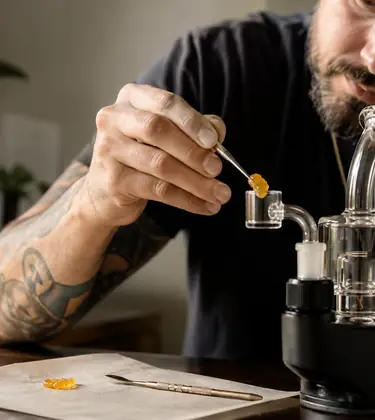
Clean your gear. Fresh cotton swabs, a clean banger, and a dialed-in temperature do more for flavor than any expensive product. Low and slow protects the terps that make solventless worth chasing in the first place.
Press your own. If you grow, wash a batch of your best flower into bubble hash and press it into rosin. Nothing on a dispensary shelf beats a concentrate you made from a plant you raised yourself.
710 is a nod to a number that happens to spell oil, but the reason it stuck is simpler than the joke. Once a year, the plant gets pushed to its purest form, and the people who love it most get a day to appreciate the craft behind it. Whether you are pressing rosin, crumbling hash into a joint, or taking your first cold-start dab, respect the resin. It is the whole point. Happy Oil Day.
Barney's Farm has been developing premium cannabis genetics since the 1980s, with over 40 Cannabis Cup wins. Explore our full seed catalog and find strains bred for every climate and skill level.