Weed and Ketamine: What Mixing Them Does
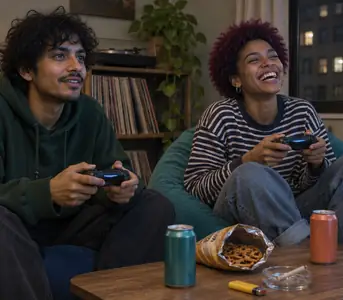
Ketamine leads two lives in 2026. In clinics it is a closely watched treatment for depression, and at parties it is a powder sold as K. People in both worlds also use cannabis, so the question of what weed and ketamine do together comes up in treatment rooms and on dance floors alike.
Both drugs change how you see, feel and move, and each one has risks of its own. Put them together and the timing, the dose and the setting decide most of what happens next.
Key takeaways
- Ketamine is a dissociative anesthetic with some hallucinogenic effects, and an overdose can cause unconsciousness and dangerously slowed breathing, the DEA says.
- Esketamine nasal spray is approved for hard-to-treat depression under strict monitoring, while ketamine itself is not FDA approved for any psychiatric disorder.
- Past-year recreational ketamine use among US adults rose 81.8% from 2015 to 2019 and 40% from 2021 to 2022.
- In a 2025 preprint study in mice, esketamine given on top of THC deepened several of THC's effects, while the reverse order showed no interaction.
- Memorial Sloan Kettering tells patients to talk with their doctor before using marijuana after ketamine and to skip driving for at least 24 hours.
Ketamine in clinics and at parties
Ketamine started as an anesthetic, and hospitals still use it for anesthesia before or during some procedures and surgeries. The DEA describes it as a dissociative anesthetic that has some hallucinogenic effects. On the street it goes by names such as Special K, Vitamin K and Kit Kat, and the agency lists agitation, depression, cognitive difficulties, unconsciousness and amnesia among its unwanted side effects. An overdose can cause unconsciousness and dangerously slowed breathing.
The medical side looks very different. In a June 2026 warning letter to a website selling ketamine troches, liquid and suppositories without a prescription, the FDA stated that ketamine is not FDA-approved for the treatment of any psychiatric disorder. The agency had already warned in October 2023 that compounded versions sold for at-home use carry risks such as abuse and misuse, psychiatric events, increases in blood pressure, slowed breathing, and bladder and urinary symptoms.
Use outside the clinic keeps climbing. A University of California San Diego analysis of national survey data found that past-year recreational ketamine use increased by 81.8% from 2015 to 2019 and by 40% from 2021 to 2022, and that adults with depression were 80% more likely to have used it in 2015 to 2019. In 2021 and 2022, adults aged 26 to 34 were 66% more likely to use it than those aged 18 to 25. Plenty of people who mix K and weed are not chasing a party at all. Some are trying to treat their own low mood.
How the two drugs stack
Weed and ketamine work through different systems, but several of their effects pile up in the same places.
Dissociation and anxiety
Ketamine pulls you away from your body and surroundings, and at higher doses it brings hallucinations and confusion. Users call the deepest version a K-hole, a state of near-total detachment in which moving or speaking becomes hard. THC can add anxiety, paranoia and a racing mind, especially at a strong dose. Together, the detachment can feel deeper and the confusion harder to shake, and a panicky high is much harder to talk yourself down from when you can barely feel your own hands.
Heart rate and blood pressure
Ketamine raises blood pressure, which is one reason clinics check it before and after treatment. THC adds a strain of its own, since THC can push blood pressure up for a while right after use and speeds up the heart. For a healthy young adult that may mean a pounding pulse and a headache, but for anyone with heart disease or high blood pressure the combination is a real risk.
Breathing and sedation
The most dangerous overlap is the quietest one. The DEA lists dangerously slowed breathing among the effects of a ketamine overdose, and the FDA names slowed breathing among the risks of unsupervised use. Heavy cannabis adds sleepiness on top, and alcohol, benzodiazepines or opioids in the same night push the risk much higher. Someone who seems to be sleeping it off after K and a joint needs to be checked on, not left alone.
Strength of the weed
Potency is the part you control. Modern flower is strong, and even a moderate strain carries plenty of THC. Bruce Banner Auto, a 60% sativa autoflower at up to 25% THC, goes from seed to harvest in 80 to 90 days with citrus, diesel and tropical notes and a cerebral, creative, relaxing high, which is a lot to layer on top of a dissociative. A small dose of flower you know, on a separate day, is far easier to judge.
Feeling lost on how to start? Try taking our quiz!
Start a QuizA mouse study on order and dose
The most detailed look at the cannabis-ketamine interaction so far comes from a 2025 preprint, a study posted before peer review, that tested THC and esketamine in mice. TThe researchers found that esketamine augmented THC-induced hypothermia, meaning a bigger drop in body temperature, lost its own calming effect and dose-dependently prolonged the sluggish movement THC causes. When the order was reversed and THC came after ketamine, they saw no interaction in any test.
Ketamine and THC have only been tested together in small studies so far, and this is one of them. The authors called the effect sequence specific, noted that adding esketamine on top of THC worsened behavioral, physiological and hormone measures in the animals, and warned against simultaneous consumption of THC or cannabis and ketamine in recreational settings. Mice are not people, though, and a small Yale trial that gave THC and then ketamine to 21 healthy volunteers has not posted results yet. For now, the safest reading is that order matters and that adding ketamine on top of a high is the riskier direction.
The unexamined day is a wasted opportunity. Reflect on what you did, what you learned, and how you can improve.
John Dewey
Inside a ketamine clinic
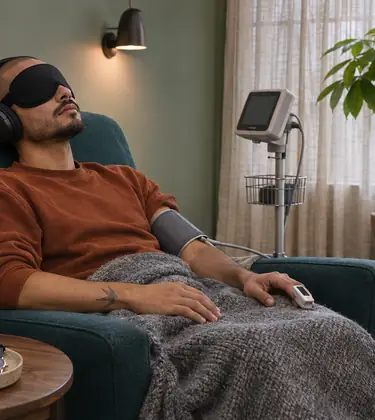
Ketamine therapy and weed need a plan of their own, because cannabis can blur the effects clinics are trying to watch. The FDA also warns that at-home use of compounded ketamine means a health care provider is not available onsite to monitor sedation, dissociation or blood pressure. Memorial Sloan Kettering's patient guide on ketamine tells people to talk with your doctor before you use alcohol, marijuana or other drugs that may slow you down, and to avoid driving or other tasks that need full alertness for at least 24 hours. If you use cannabis and are starting ketamine therapy, a short plan helps:
- Tell the clinic how often you use cannabis and in what form.
- Ask how long to skip cannabis before and after each session.
- Arrange a ride home, since driving is off the table for at least 24 hours.
- Keep cannabis out of the hours right after treatment, while dissociation and drowsiness fade.
- Report new anxiety, confusion or bladder pain at your next visit.
Between sessions
Ketamine therapy usually comes in a series of sessions, and the days between them matter for mood. If cannabis stays part of your routine, keep it modest and away from treatment days, and watch whether it lifts your mood or flattens it. A heavy evening session can leave you foggy for the next morning's appointment, too. A simple mood log, with notes on sleep, cannabis use and how each session felt, gives your clinician something concrete to work with.
For a quiet night well away from any treatment, a relaxing strain at a small dose is the gentler pick. London Pound Cake F1, a Sunset Sherbet and GSC Indica cross at 30% THC and 70% indica, flowers in 55 to 65 days with berry, cake and sweet notes and a euphoric, happy, relaxing effect, so a little is plenty.
Warning signs to act on
Call 911 if someone who mixed the two shows any of these signs, and do not let them sleep it off alone:
- Unresponsiveness or trouble waking up
- Slow, shallow or irregular breathing
- A very bad headache, chest pain or fainting
- Vomiting while drowsy or confused
- Severe agitation or panic that will not settle
For questions that are not emergencies, Poison Help at 1-800-222-1222 connects you with a local poison center at any hour.
Keeping the two apart
Weed and ketamine stack on dissociation, anxiety, blood pressure and breathing, and an early mouse study suggests that adding ketamine on top of THC is the riskier order. If you are in ketamine therapy, tell the clinic about your cannabis use, keep the two on separate days and never drive after a session. At parties, the safest mix is the one you skip.
Barney's Farm has been developing premium cannabis genetics since the 1980s, with over 40 Cannabis Cup wins. Explore our full seed catalog and find strains bred for every climate and skill level.