Can You Be Allergic to Cannabis? What Every Consumer Should Know
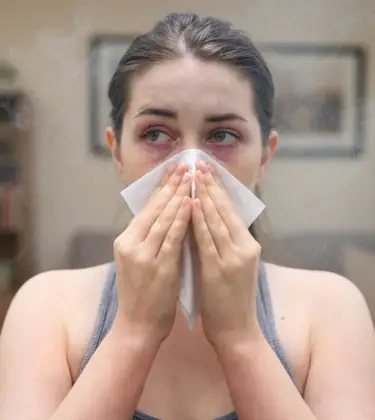
You survived your first cough-till-you-cry session. You powered through cotton mouth. You even learned how to roll a halfway decent joint. But now you're sneezing every time you open a bag of flower, your eyes are watering before you even spark up, and there's a rash creeping across your forearms after trimming your buddy's plants. What gives?
Cannabis allergies are real. They've been documented in medical literature since 1971, and allergists across the country are seeing them more often as legalization spreads and more people come into regular contact with the plant. Whether you smoke, vape, eat edibles, or just handle raw flower, your immune system can decide it has a problem with cannabis. Here's what you need to know.
Can You Actually Be Allergic to Cannabis?
Short answer: yes. Cannabis is a flowering plant, and like ragweed, birch, or any other pollen-producing species, it contains proteins that can trigger an immune response. When your body flags those proteins as threats, it fires up the same allergic machinery it would use against dust mites or cat dander. That means IgE antibodies, histamine release, and all the uncomfortable symptoms that come with it.
Researchers have identified several specific allergens in the cannabis plant, including a nonspecific lipid transfer protein (Can s 3), profilin, and a pathogenesis-related class 10 protein. These are officially recognized by the World Health Organization's allergen nomenclature committee. So this isn't fringe science or internet speculation. Cannabis allergy has a molecular profile, clinical documentation, and a growing body of research behind it.
The reason it's getting more attention now is straightforward. As more states legalize and more people consume, handle, or grow cannabis, the exposure pool has expanded dramatically. Cases that might have gone unreported during prohibition (who's going to tell their doctor about an allergic reaction to something illegal?) are now showing up in clinics. Reports of cannabis allergy have been climbing steadily alongside the wave of legalization.
What Does a Cannabis Allergy Look Like?
Cannabis allergy symptoms overlap a lot with seasonal allergies, which is part of the reason they fly under the radar. If you smoke or inhale cannabis pollen, you might experience sneezing, nasal congestion, a runny nose, itchy or watery eyes, coughing, wheezing, or a sore throat. Basically, it can look a lot like hay fever that conveniently shows up every time you're around weed.
Skin reactions are common too, especially for people who handle raw cannabis. Contact with leaves, buds, or stems can cause hives, itching, redness, or full-blown contact dermatitis. Growers and trimmers tend to be the ones who notice this first, since they're handling plant material with bare hands for extended periods.
Edibles aren't off the hook either. Some people report nausea or stomach issues after eating cannabis-infused foods, and there have been documented cases of allergic reactions to hemp seeds in food products. In rare but serious cases, cannabis exposure can trigger anaphylaxis, a severe whole-body reaction that causes throat swelling, a sudden blood pressure drop, and difficulty breathing. One documented case involved anaphylaxis after eating hemp seed-encrusted seafood. Rare? Absolutely. Worth knowing about? Also absolutely.
Can You Develop a Weed Allergy Over Time?
This is one of the most frustrating parts. You can consume cannabis for years without a single issue and then suddenly start reacting. Allergic sensitization is a process. Your immune system might tolerate the proteins in cannabis on the first, tenth, or hundredth exposure. But at some point, it can flip a switch and start treating those proteins as invaders.
Allergists have noted that reactions can develop and worsen over time with continued exposure. That means a mild case of the sniffles today could escalate to full-blown respiratory distress down the road if ignored. The people most at risk tend to be those with existing sensitivities to pollen, mold, dust mites, or animal dander. If your immune system is already primed to overreact to environmental proteins, cannabis pollen is one more potential trigger in the mix.
This is also relevant for industry workers. Research into occupational cannabis allergies has found that people who work in grow facilities, processing plants, or even law enforcement (handling seized product) can develop sensitization through prolonged, repeated contact with the plant.
Feeling lost on how to start? Try taking our quiz!
Start a QuizWhat's the Deal with Cannabis Cross-Reactivity?
Here's where things get genuinely weird. If you're allergic to cannabis, you might also start reacting to certain fruits, vegetables, and nuts. European researchers have called this the "cannabis-fruit/vegetable syndrome," and it has to do with shared proteins across different plant species.
The main culprit is that nonspecific lipid transfer protein, Can s 3. This protein is structurally similar to proteins found in peaches, apples, tomatoes, cherries, hazelnuts, bananas, and kiwis. If your immune system builds antibodies against Can s 3 in cannabis, those same antibodies can recognize and react to the similar proteins in these foods. It works in the other direction too. Someone with an existing peach or tomato allergy driven by lipid transfer proteins could become sensitized to cannabis through cross-reactive pathways between the plant families.
This cross-reactivity pattern has been documented most extensively in European patients, but it's relevant everywhere cannabis is consumed. If you notice that eating stone fruits or certain nuts suddenly gives you an itchy mouth or stomach issues around the same time cannabis starts bothering you, that's a pattern worth mentioning to a doctor.
The unexamined day is a wasted opportunity. Reflect on what you did, what you learned, and how you can improve.
John Dewey
How Do You Know If It's an Allergy or Just Irritation?
Not every cough after a bong rip is an allergic reaction. Cannabis smoke, like any smoke, is an irritant. It contains particulates and combustion byproducts that can make anyone cough, wheeze, or get watery eyes regardless of allergy status. The same goes for dry eyes and dry mouth, which are pharmacological effects of cannabinoids, not allergic responses.
The key difference is timing and consistency. If symptoms show up specifically after cannabis exposure and follow the pattern of allergic reactions (sneezing, hives, nasal congestion, itchy skin) rather than general smoke irritation, allergy is on the table. Pay attention to whether the reaction happens with different consumption methods. If you sneeze handling raw flower but also get congested after eating an edible, that's more suggestive of a true allergy than a simple irritation response to smoke.
At Barney's Farm, we've been breeding cannabis for over 30 years and have worked with just about every genetic profile imaginable. Something we've observed across decades of hands-on cultivation is that the terpene and resin profiles of different strains can affect how people respond on contact. Heavy-resin cultivars with dense trichome coverage may be more likely to provoke skin reactions in sensitive individuals than lower-resin varieties. That's not a universal rule, but it's worth paying attention to if you notice symptoms vary by strain.
What Can You Do About a Weed Allergy?
Currently, there's no standardized allergy test for cannabis available in most clinical settings across the U.S. Skin prick tests using raw plant material have been used in research and in some clinics in states where cannabis is legal, but there's no commercial extract approved for widespread diagnostic use. That's a direct consequence of decades of federal prohibition limiting research access. A blood test measuring IgE antibodies to cannabis proteins exists for research purposes, but it's not a standard offering at your allergist's office yet.
If you suspect a cannabis allergy, the most practical first step is to talk to a board-certified allergist and give them a thorough history of your symptoms, when they occur, and what type of cannabis exposure triggers them. From there, standard allergy management applies: antihistamines for mild reactions, nasal corticosteroids for persistent congestion, and inhalers for anyone whose asthma gets aggravated. If you've ever had a severe reaction, carrying an epinephrine auto-injector is non-negotiable.
For growers and trimmers, protective measures matter. Gloves, long sleeves, and adequate ventilation can reduce skin and respiratory exposure significantly. With decades of experience in cultivation, Barney's Farm has always emphasized the importance of proper handling practices during harvest and processing. It protects the quality of the flower and the people working with it.
Consider your consumption method. If smoking triggers respiratory symptoms, switching to edibles, tinctures, or topicals might reduce the reaction. But keep in mind that if the allergy is to the plant's proteins rather than combustion byproducts, changing the delivery method won't necessarily solve the problem. That's the distinction between smoke irritation and true allergy, and why getting a proper evaluation matters.
Should You Be Worried?
For most consumers, cannabis allergies aren't something to lose sleep over. They remain relatively uncommon, and severe reactions like anaphylaxis are genuinely rare. But they're real, they're becoming more recognized, and they can develop at any point during your relationship with the plant.
The smart move is simple awareness. Know what cannabis allergy symptoms look like. Pay attention to how your body responds after exposure. Don't brush off persistent sneezing, skin reactions, or respiratory issues as just "part of the experience." And if something feels off, get it checked out. There's no shame in it. Plants are complicated organisms full of proteins, terpenes, and compounds, and your immune system doesn't care how much you love cannabis.
Barney's Farm has been developing premium cannabis genetics since the 1980s, with over 40 Cannabis Cup wins. Explore our full seed catalog and find strains bred for every climate and skill level.